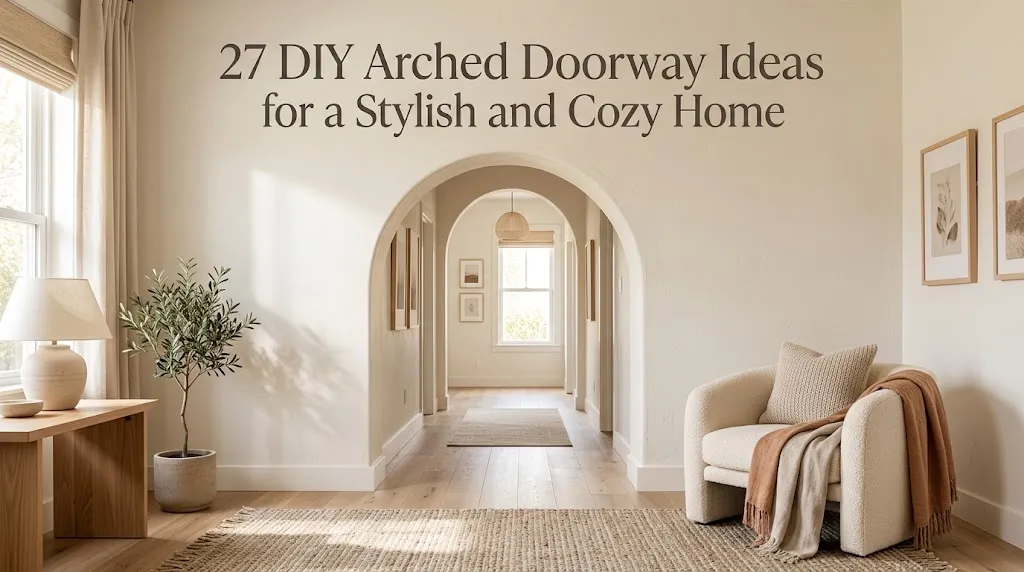
27 DIY Arched Doorway Ideas for a Stylish and Cozy Home
An arched doorway can change the character of a room without requiring a complete redesign. Its curved shape softens the strong lines found in many modern interiors and can make a passageway feel more intentional, architectural, and welcoming. The best part is that you don’t have to choose an expensive custom build to get the look.
From painted arches and removable molding to wood trim, plaster-inspired finishes, and more involved framing projects, there are plenty of ways to bring an arch into your home. Some ideas work well for renters or weekend projects, while others are better suited to homeowners planning a more permanent renovation.
Before making structural changes, always determine whether the wall is load-bearing and follow applicable building requirements. For simpler projects, you can create the visual effect of an arch without changing the doorway opening at all.
1. Paint a Soft Arch Around the Existing Doorway

One of the easiest ways to introduce an arched effect is with paint. Instead of rebuilding the doorway, create a large painted arch that frames the existing rectangular opening.
Choose a color that contrasts gently with the surrounding wall, such as muted terracotta, warm taupe, olive, dusty blue, or creamy beige. The painted curve can extend slightly beyond the doorway to make the feature feel intentional rather than like a simple border.
Quick Tip: Use a consistent radius on both sides of the doorway so the curve looks balanced from a distance.
2. Add Peel-and-Stick Trim for a Renter-Friendly Arch
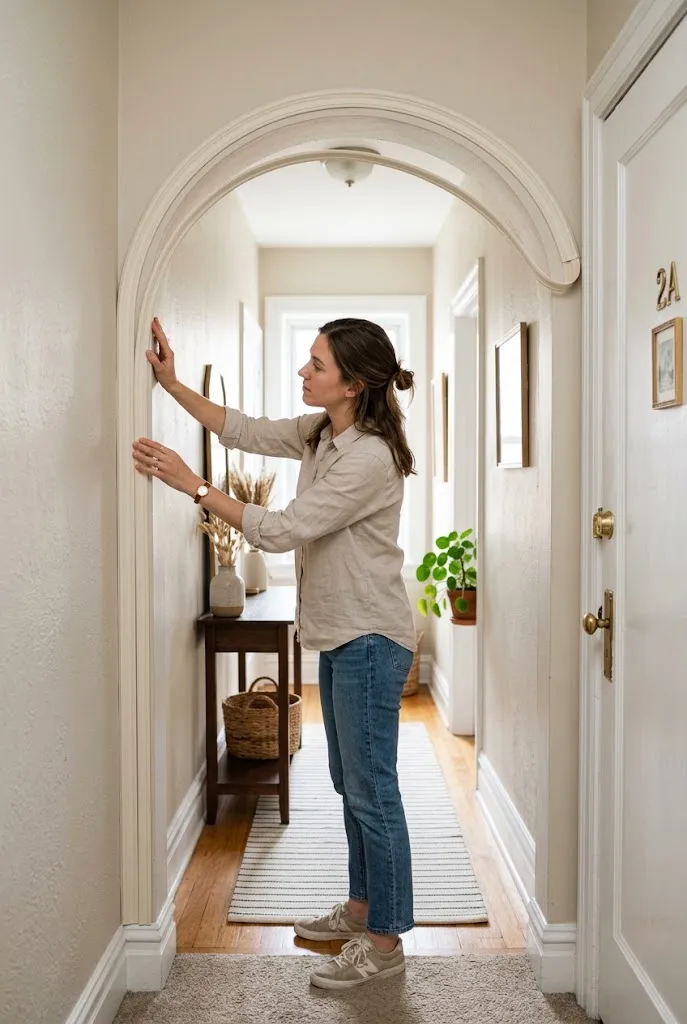
If you’re renting or don’t want a permanent renovation, lightweight removable molding can create the impression of architectural detailing.
Flexible trim can be shaped around the curved portion of a doorway and painted to blend with the wall or contrast with it. Keep the profile relatively slim so the feature doesn’t overwhelm a narrow passage.
The biggest advantage is flexibility: you can experiment with the shape and placement before committing to a more permanent treatment.
3. Frame the Arch With Natural Wood
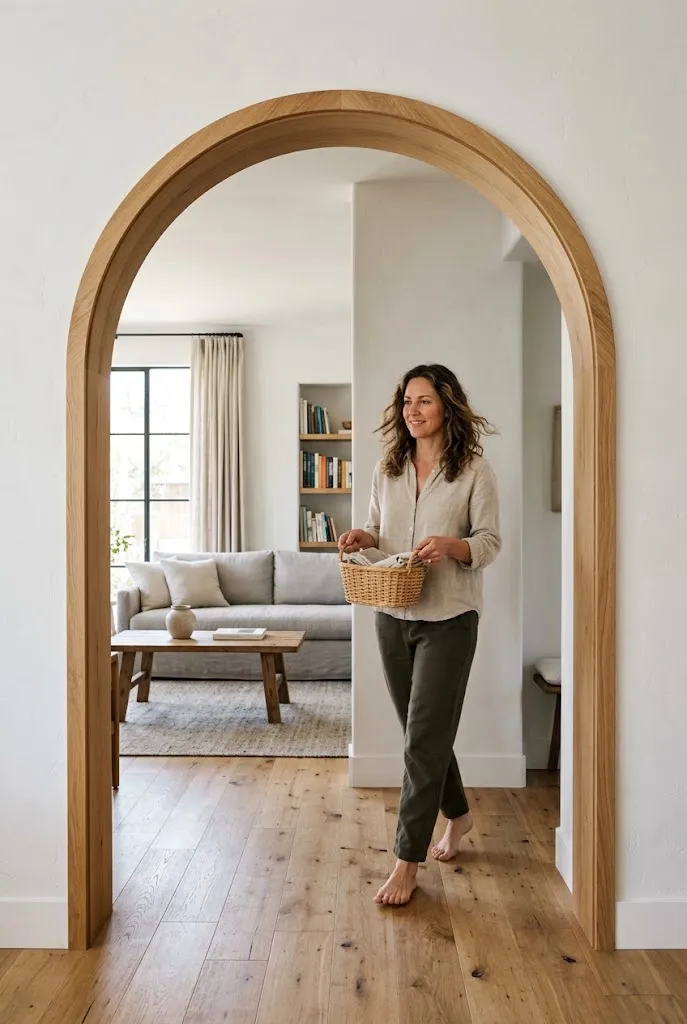
Natural wood gives an arched doorway more architectural presence while keeping the room warm. Oak, ash, walnut, or pine can all create different moods depending on the finish.
For a Scandinavian-inspired interior, choose pale wood with a matte finish. A darker stain can give the same shape a richer, more traditional appearance.
Keep the surrounding walls relatively simple so the wood becomes the main feature.
4. Create a Deep Plaster-Look Arch

A deeper arch gives the doorway a more substantial architectural appearance. You can mimic the look with layered materials and a plaster-inspired finish rather than installing expensive custom masonry.
Use warm ivory, chalky beige, or soft limestone-inspired tones. Slight texture can make the arch feel integrated with the architecture instead of simply decorated.
Common Mistake: Making the finish overly textured can make a high-traffic doorway look rough or unfinished.
5. Use a Contrasting Color Inside the Arch
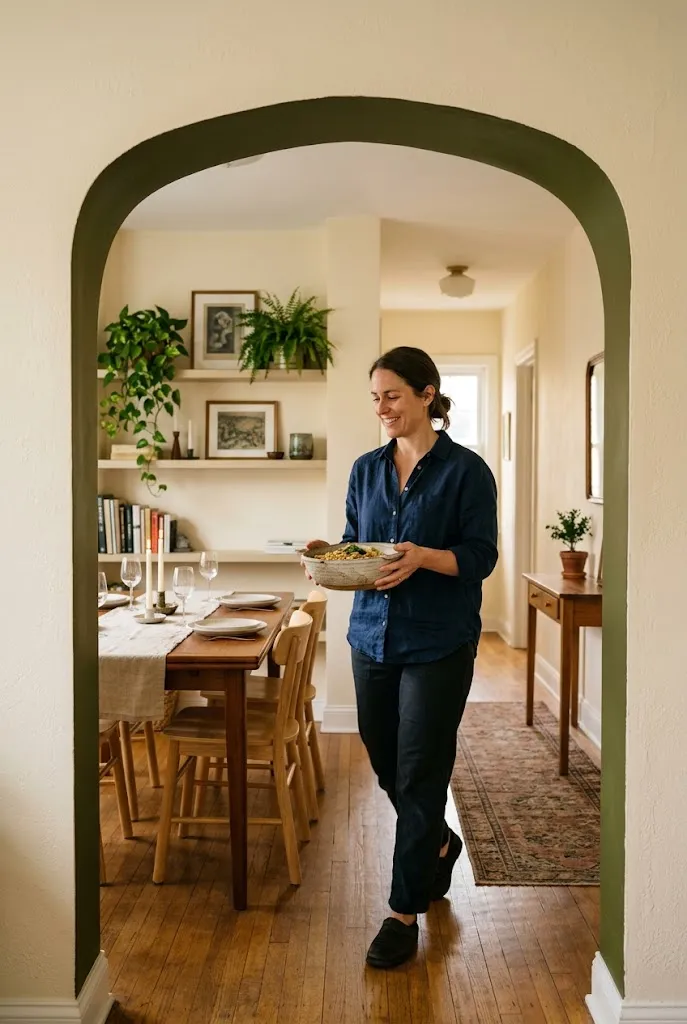
Instead of treating the entire doorway the same way, paint the inside reveal a contrasting shade. A darker color can make the opening feel deeper and more dramatic.
Try charcoal with warm white walls, muted green with cream walls, or dusty blue beside pale gray. This approach works particularly well when the doorway already has an arched shape.
6. Build a Simple Wood Slat Arch

Wood slats can give an arched doorway a modern architectural character. Closely spaced vertical slats follow the curve while allowing glimpses of the room beyond.
Use this idea where you want some separation without completely closing off the space. Pale oak works beautifully in contemporary interiors, while darker wood creates a moodier statement.
7. Add a Thin Decorative Molding Border
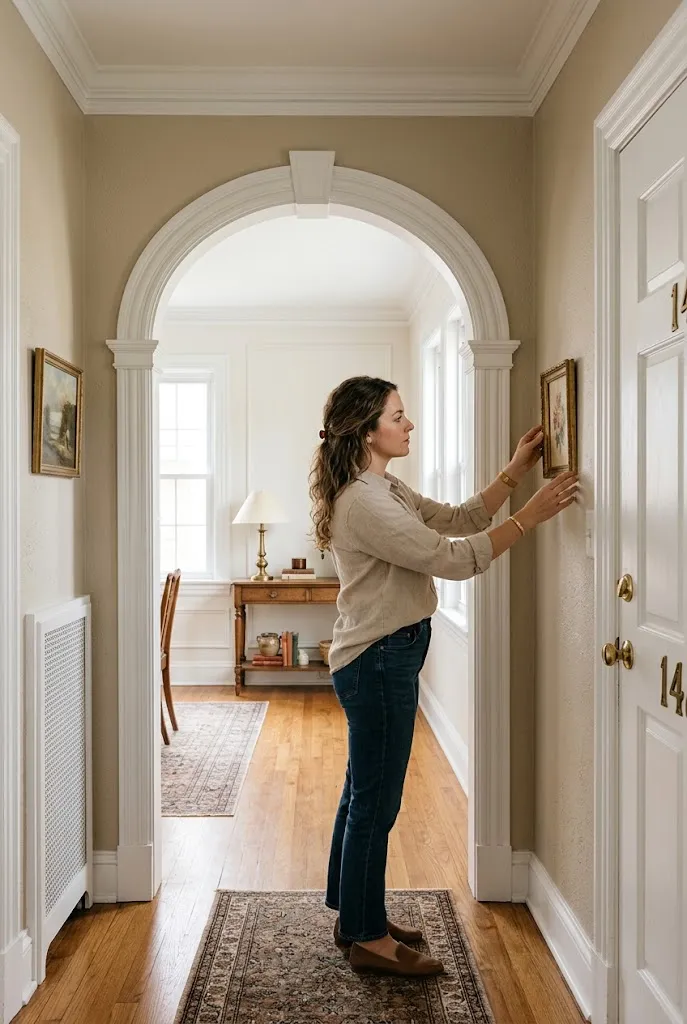
For a more traditional take, outline the arch with narrow molding. The trim doesn’t need to be elaborate; a simple profile painted the same color as the wall can create a subtle shadow line.
This works especially well in older homes where the surrounding architecture already includes baseboards, casing, or crown molding.
8. Try a Two-Tone Painted Arch

A two-tone arch can make a simple doorway look more layered. Paint the outer frame in one shade and the inner curve in another, keeping the colors within the same tonal family.
For example, combine warm white with beige, clay with terracotta, or sage with a deeper olive. The effect is decorative without requiring complicated construction.
Quick Tip: Keep one color relatively quiet so the doorway doesn’t compete with nearby furniture.
9. Make the Arch a Terracotta Focal Point
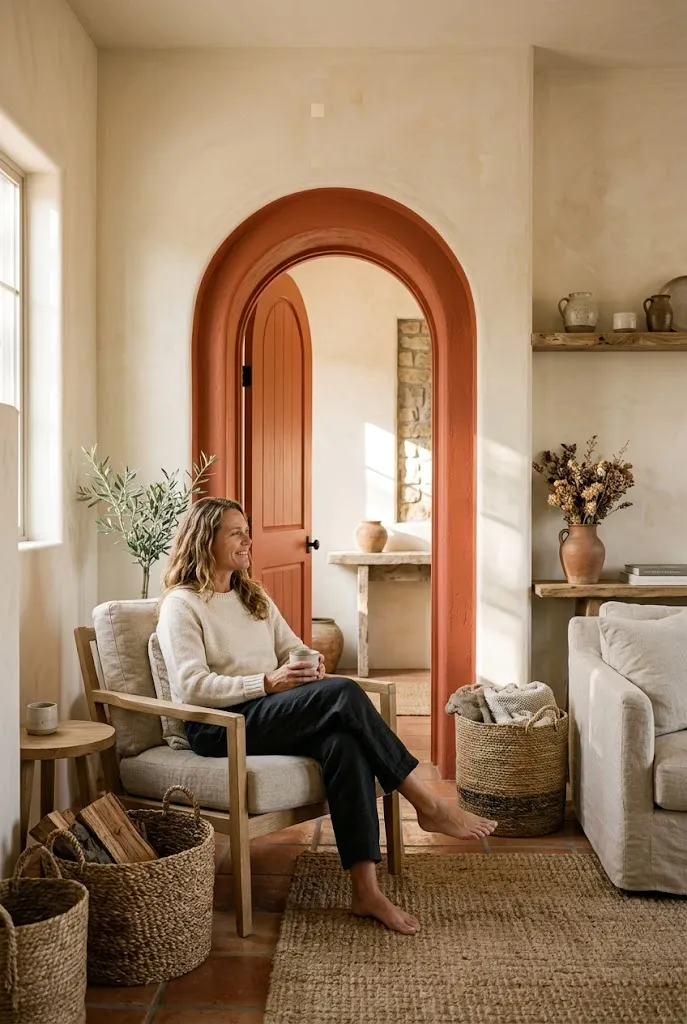
Terracotta gives an arched doorway an earthy, welcoming quality. It works particularly well with cream walls, natural wood, woven textures, and Mediterranean-inspired accessories.
You don’t need to paint the entire surrounding wall. A concentrated terracotta arch can be enough to create a strong focal point.
10. Use a Rounded Arch Between Kitchen and Dining Room
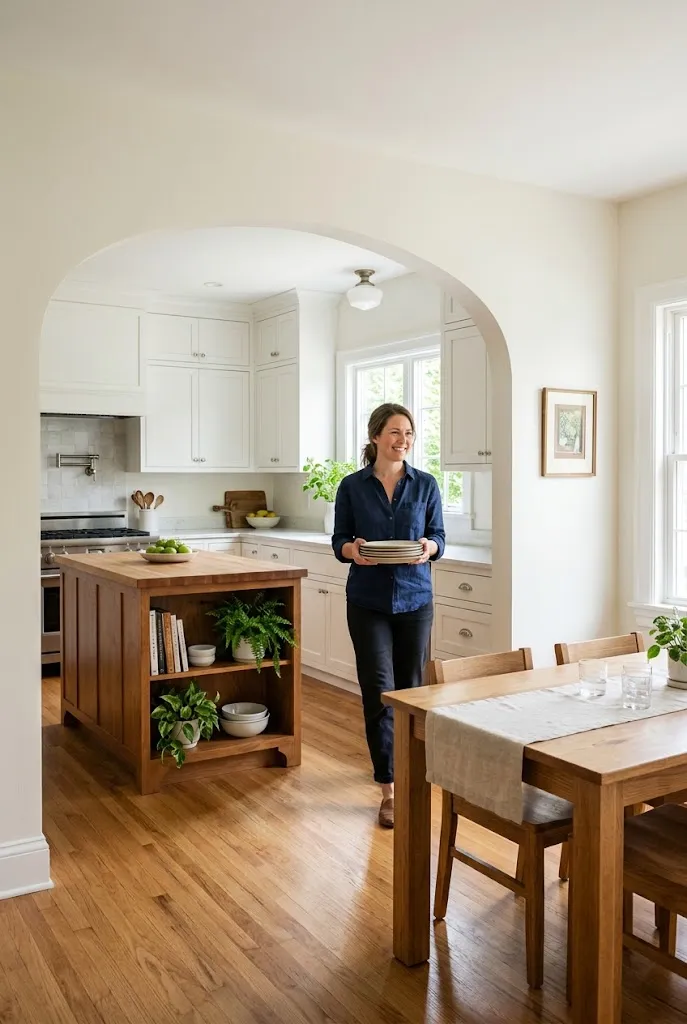
An arch can visually separate a kitchen and dining area while maintaining an open connection. If you’re creating a new opening, the exact dimensions and structural requirements need careful consideration.
For an existing opening, decorative trim or paint can provide the arched appearance without changing the wall structure.
11. Create a Moody Charcoal Arch
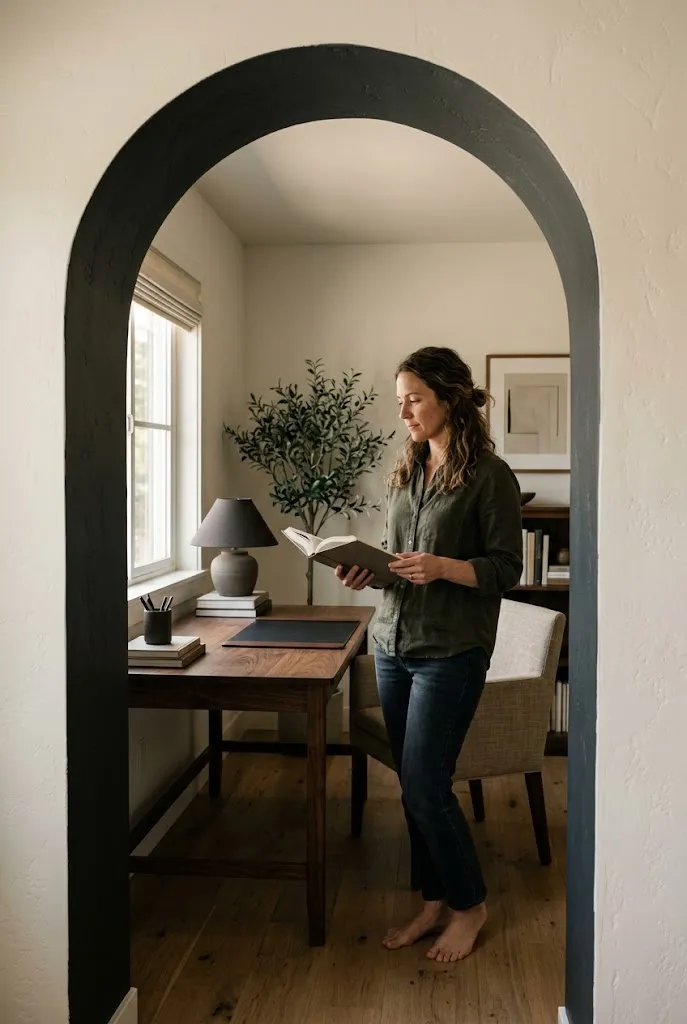
A charcoal arch can bring contrast and depth to an otherwise light interior. Use it as a dramatic frame around a hallway, office, reading nook, or bedroom entrance.
Pair it with warm woods and soft textiles to keep the dark color from feeling too stark.
12. Pair the Arch With Built-In Shelving
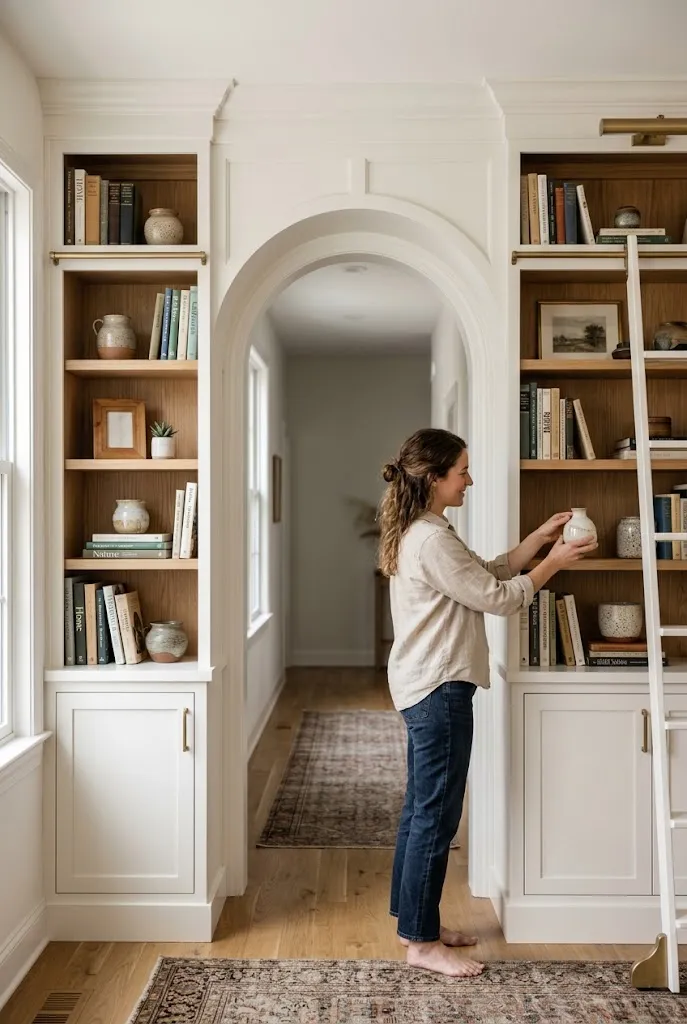
Take the idea beyond the doorway by extending the arch visually into surrounding storage. Shelves placed beside or above an opening can make the feature feel like part of a larger architectural composition.
Keep the shelving relatively simple so the curved opening remains easy to read.
13. Highlight the Curve With LED Lighting

Subtle lighting can emphasize the shape of an arch after sunset. Concealed LED lighting placed carefully around the curve can create a gentle glow without making the doorway feel overly theatrical.
Warm lighting is generally a natural choice for cozy residential spaces. Keep the illumination soft enough that the arch remains architectural rather than becoming a bright outline.
14. Give the Arch a Limewash Finish
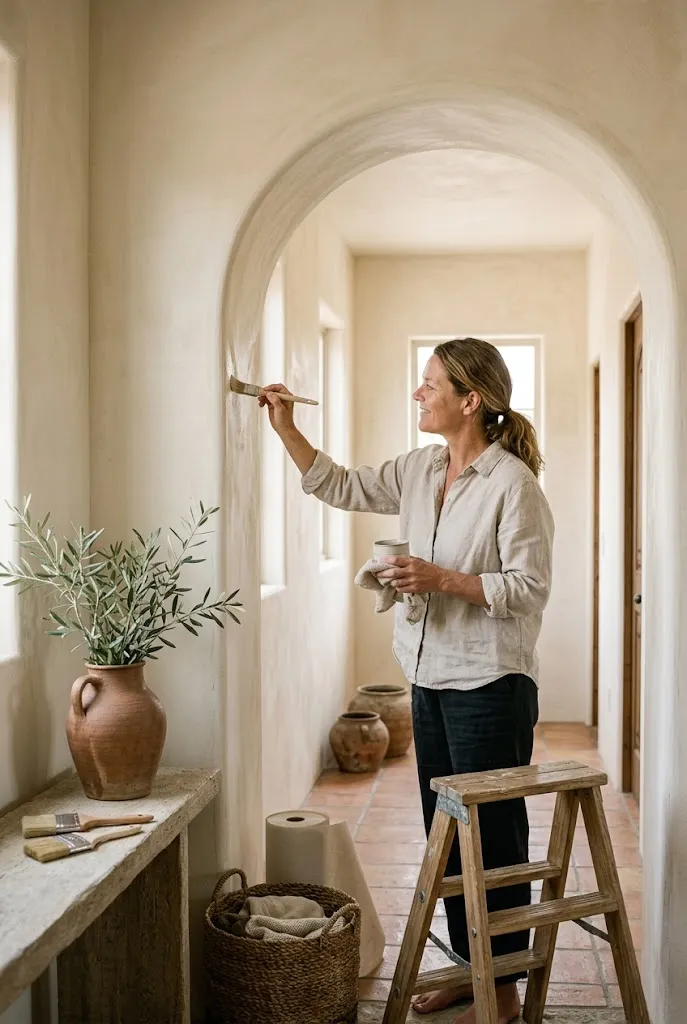
A limewash-inspired finish adds softness and variation to the surface around an arch. Its subtle tonal movement can make a simple doorway feel handcrafted.
Choose closely related shades rather than dramatic contrast. The goal is a gently mottled finish that complements the shape.
Editor’s Note: Test the finish on a small section first because the final appearance can vary depending on the wall surface and application technique.
15. Build a Small Arch Into a Reading Nook
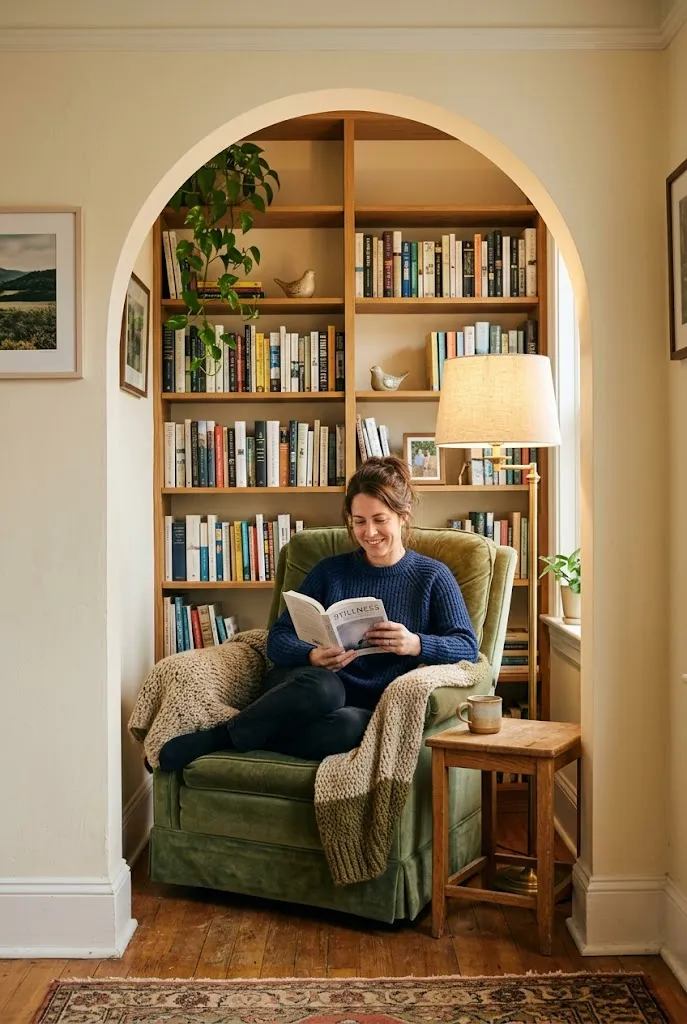
You don’t need a full room opening to use an arch. A smaller curved opening can define a reading nook, study corner, or cozy alcove.
Use a comfortable chair, focused lighting, and a small side table to reinforce the purpose of the space.
16. Use Beadboard Inside the Arch

Beadboard can give an arched passage a cottage or traditional feel. Rather than covering every wall, use it strategically inside the doorway or along the lower portion of surrounding walls.
White beadboard works with classic interiors, while painted sage, blue, or cream can create a softer cottage look.
17. Create a Rustic Wood Arch
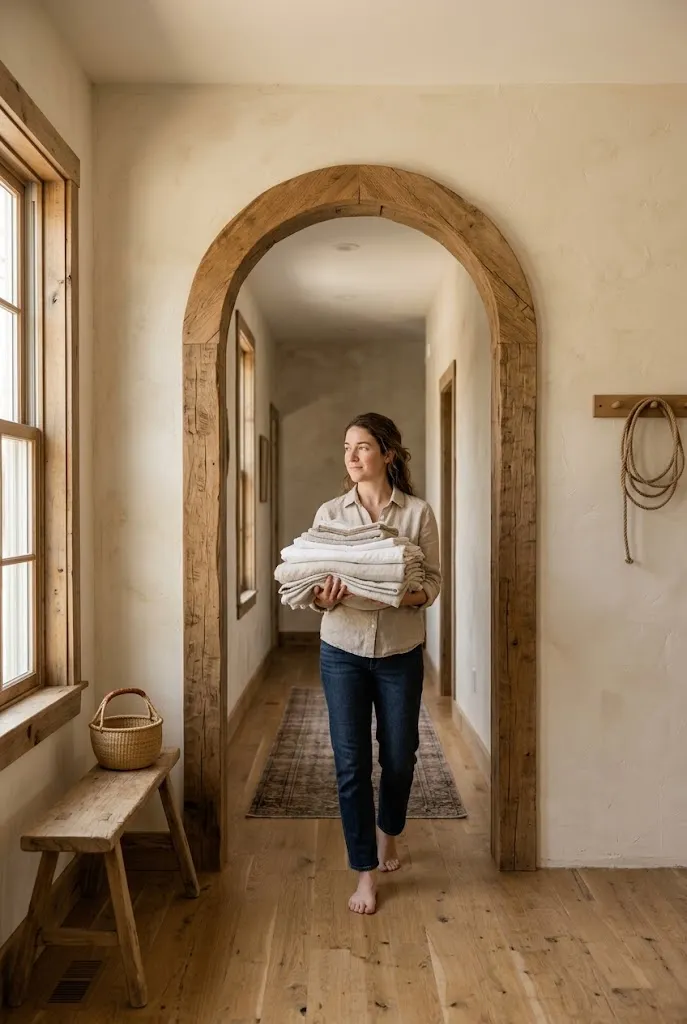
For a farmhouse or rustic interior, use thicker wood around the opening. Reclaimed-looking timber can create character, although the material should be sound and appropriate for the application.
Balance substantial wood with lighter walls and simple furnishings so the doorway doesn’t become visually heavy.
18. Use an Arch to Frame a Pantry
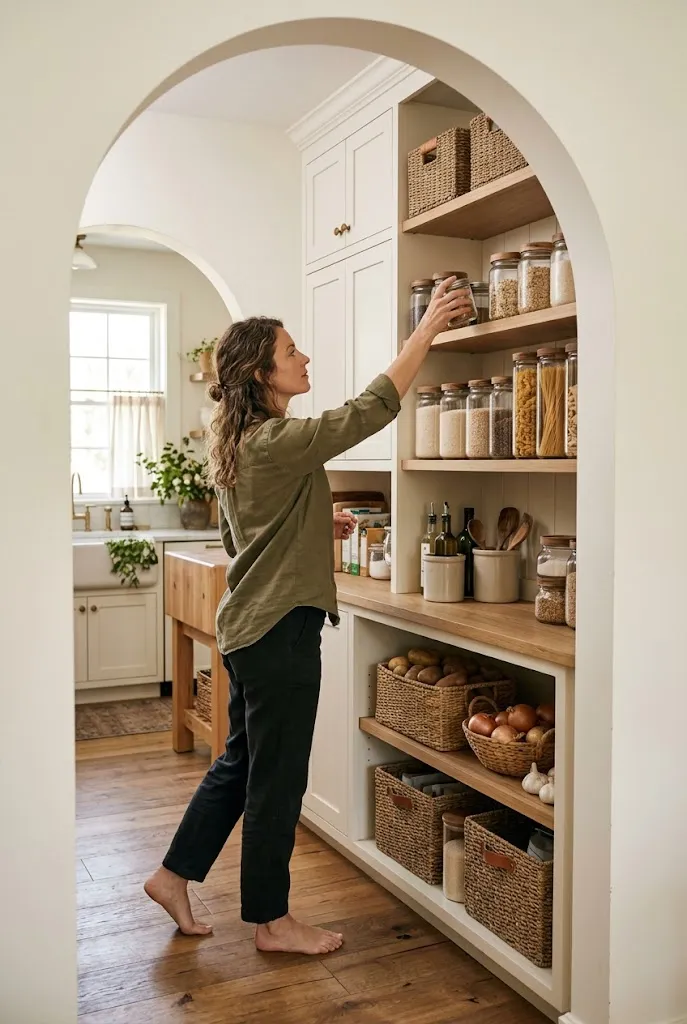
A rounded pantry entrance can turn an ordinary utility area into an architectural feature. Keep the pantry shelving organized and visible enough to make the opening feel intentional.
This works especially well with kitchens that use natural wood, warm whites, or traditional cabinetry.
19. Add a Gallery Wall Around the Arch

An arch can become the centerpiece of a gallery wall. Hang artwork around the outer edges while leaving the curved opening visually clear.
Mix frame sizes rather than creating a perfectly symmetrical arrangement. Keep the colors coordinated so the doorway and artwork support each other.
20. Paint the Entire Archway One Deep Color
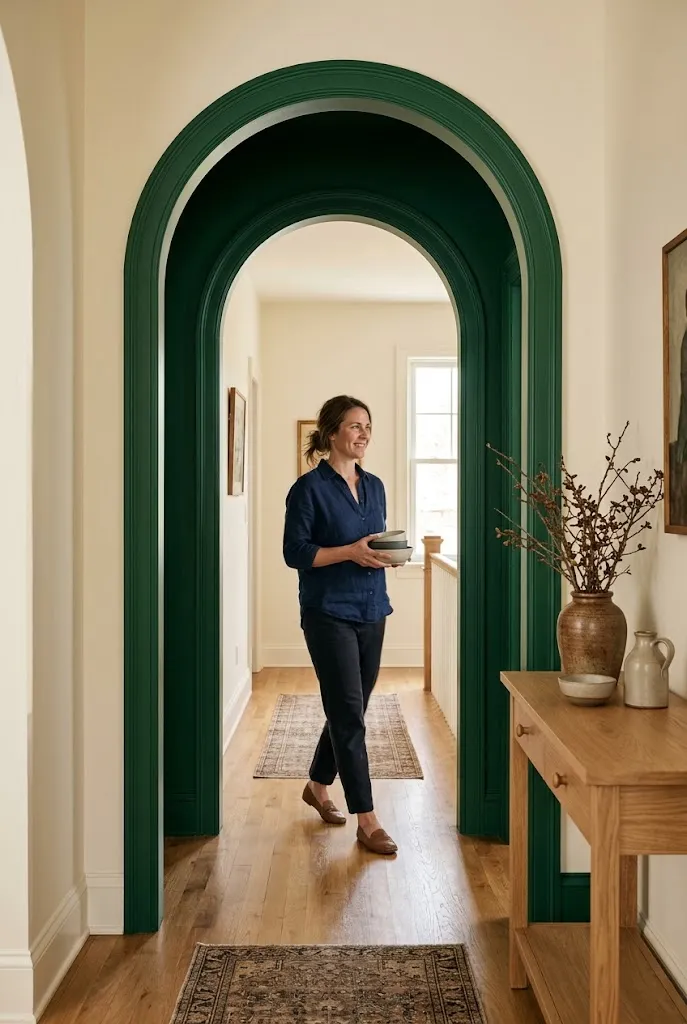
For a stronger architectural statement, carry one color across the arch, surrounding casing, and interior reveal. Deep green, muted navy, warm brown, or earthy rust can work beautifully.
This technique visually groups the entire opening and gives it more presence.
21. Add a Fabric Curtain to the Arch
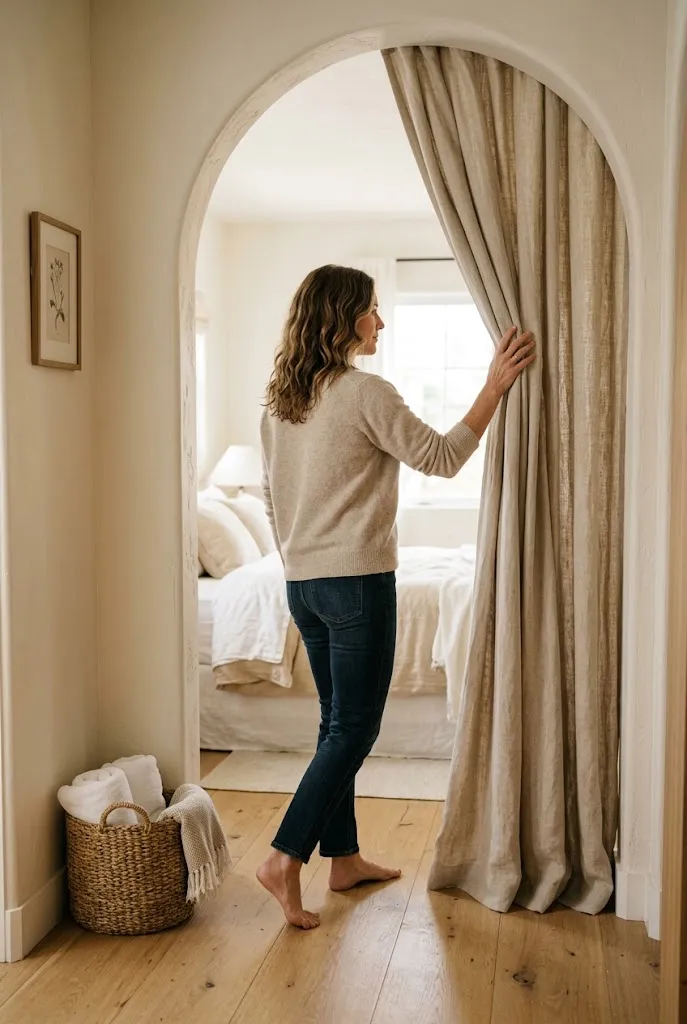
A curtain can soften an arched opening while offering a little visual separation. Choose linen or another lightweight fabric in a neutral tone for a relaxed appearance.
This works particularly well for bedrooms, dressing areas, home offices, or other spaces where complete privacy isn’t essential.
22. Create a Faux Stone Arch

A faux stone finish can give a doorway an old-world appearance without requiring actual masonry. Choose a restrained stone palette rather than overly dramatic faux texture.
Cream, limestone, soft gray, and warm beige can help the arch blend naturally with the rest of the interior.
23. Make a Small Arch With Decorative Wall Molding
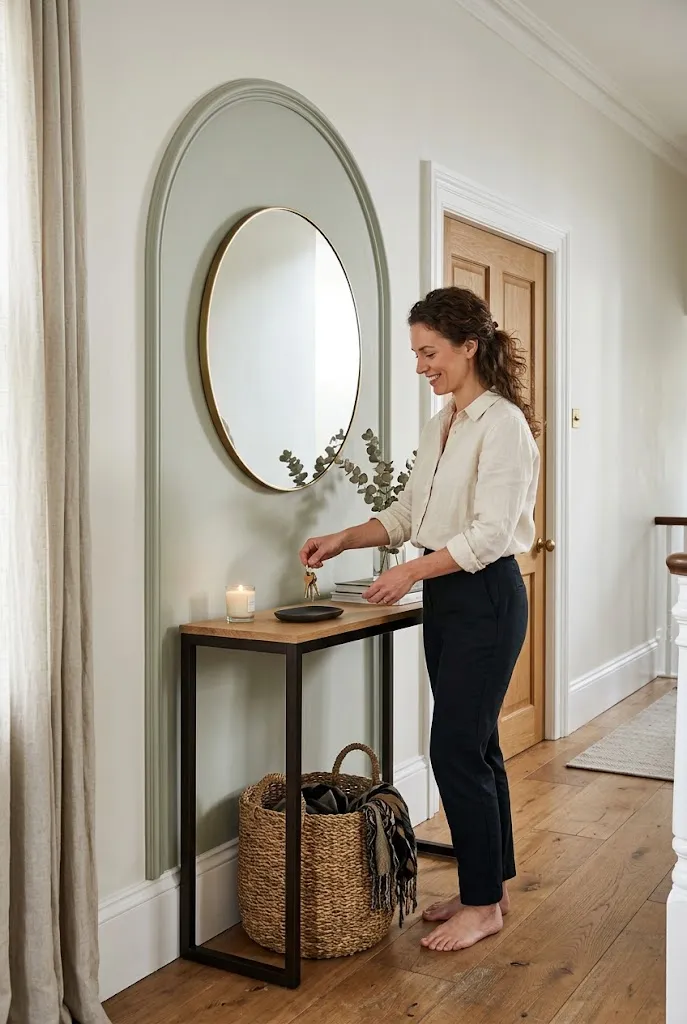
If a full arched doorway isn’t practical, create an arched decorative frame on the wall beside an existing opening. This can visually suggest another passage or define a decorative zone.
Use it for a small entry feature, a mirror backdrop, or a visual transition between two areas.
24. Pair the Arch With a Checkerboard Floor
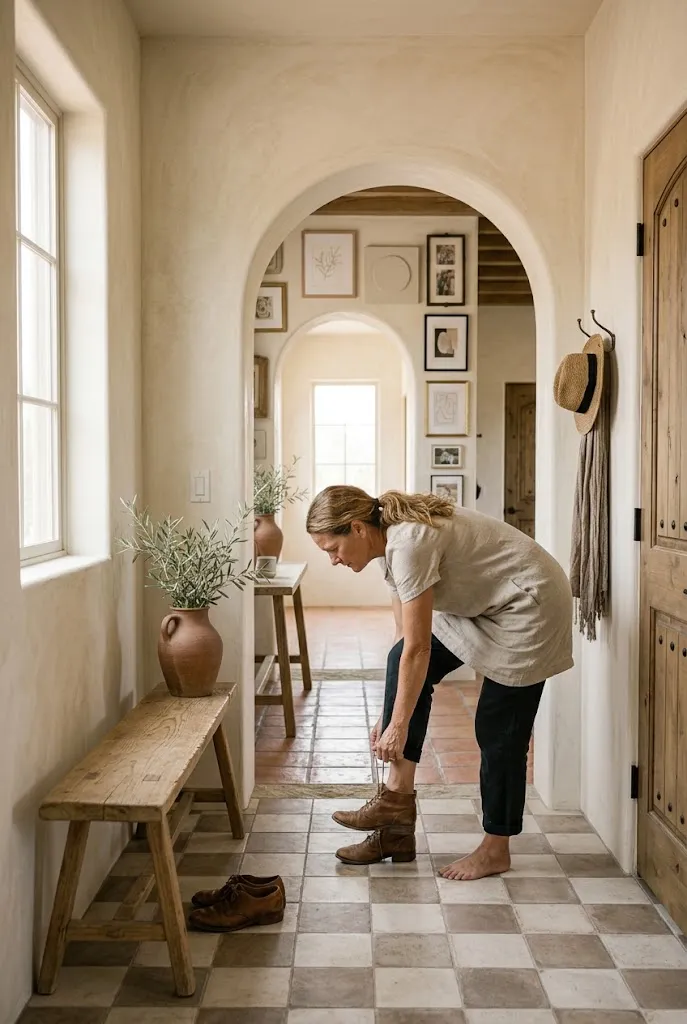
A curved doorway and checkerboard floor can create a charming, slightly European-inspired interior. Keep the rest of the palette controlled so the floor and arch don’t compete.
Warm ivory and muted brown or soft gray tiles can provide a more relaxed effect than stark black and white.
25. Add a Wallpapered Arch Nook
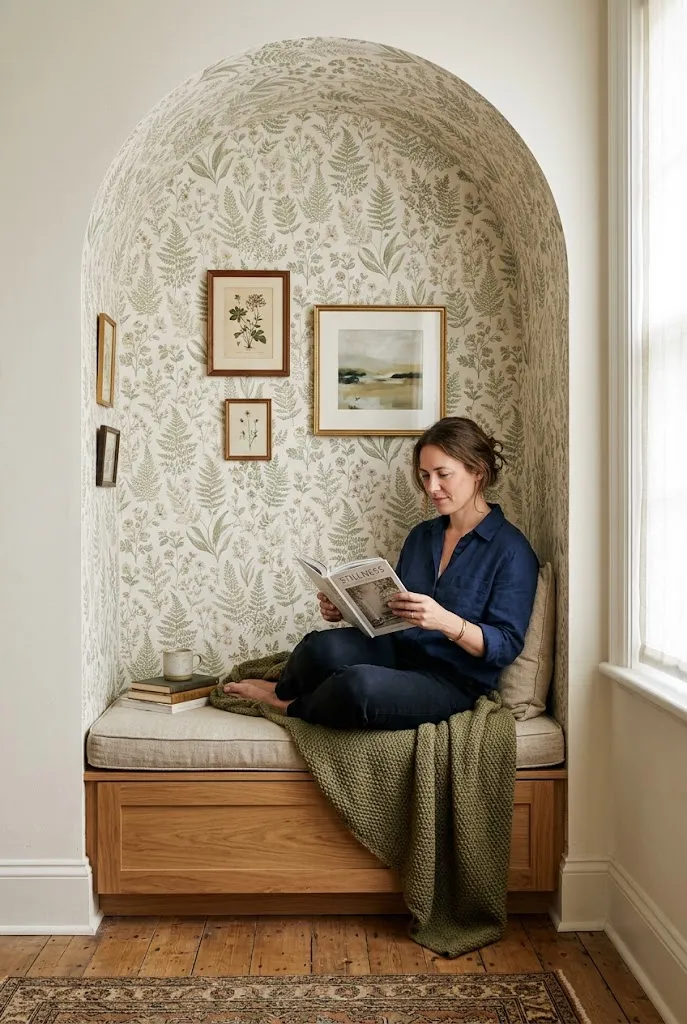
Wallpaper can make a small arched alcove feel separate from the surrounding room. Choose a subtle botanical, stripe, geometric, or vintage-inspired pattern.
For a more restrained result, keep the surrounding walls plain and let the wallpaper provide the visual interest.
26. Use a Minimal White-on-White Arch
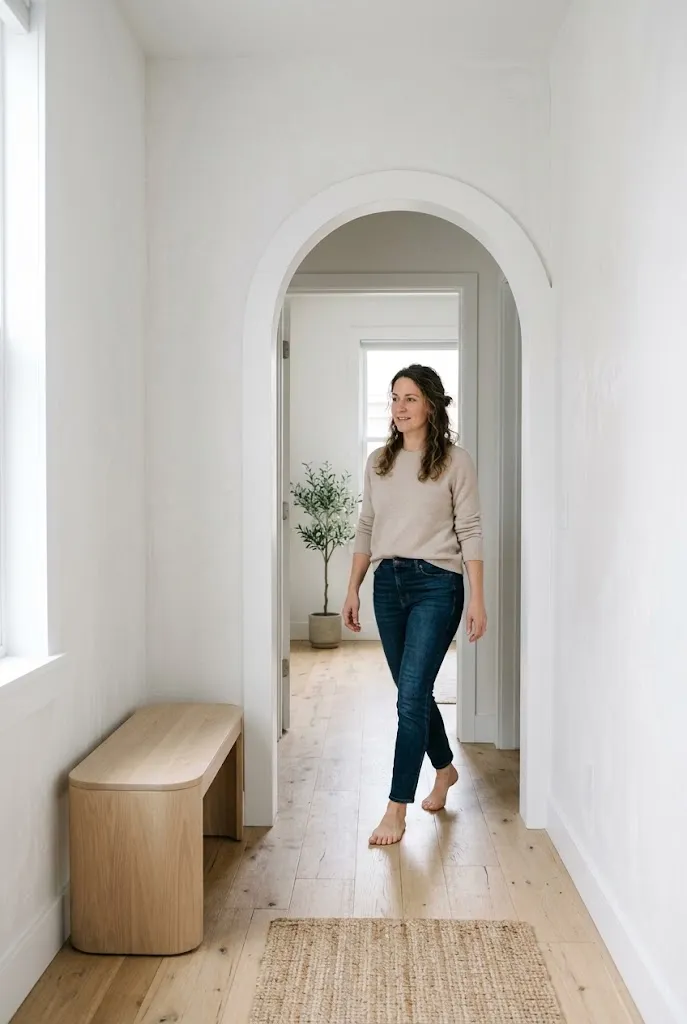
For a quiet contemporary look, keep the arch and surrounding walls in nearly the same white or cream shade. The shape becomes visible through shadows, depth, and subtle changes in surface texture.
This approach is especially useful in smaller spaces where a bold color might make the doorway feel too visually dominant.
Do / Don’t
- Do: Use texture and lighting to define the curve.
- Don’t: Add too many decorative elements around the opening.
27. Finish the Arch With a Warm Wood-and-Plaster Combination

For a layered final look, combine two materials: a warm plaster or painted surface with natural wood trim. The contrast gives the doorway architectural depth without overwhelming the room.
Keep the wood relatively simple and let the curve remain the dominant feature. This combination works across modern farmhouse, Scandinavian, transitional, and warm contemporary interiors.
Quick Tip: Repeat the wood tone somewhere else in the room—such as flooring, furniture, or shelving—to make the doorway feel connected to the overall design.
How to Choose the Right DIY Arched Doorway Idea
The best approach depends on how much you want to change and whether the existing doorway already has a curved opening.
| Approach | Best For | Overall Effect |
|---|---|---|
| Painted arch | Easy visual update | Decorative and affordable |
| Removable trim | Rentals | Temporary architectural detail |
| Wood trim | Homeowners wanting warmth | More substantial and architectural |
| Plaster-look finish | Mediterranean interiors | Soft and handcrafted |
| Built-in arch | Major renovation | Strong architectural statement |
For a quick weekend-style refresh, paint and removable trim are the easiest places to begin. If you’re planning a larger renovation, wood framing, built-in shelving, or a newly shaped opening can create a more permanent result.
Safety Note
If the project involves cutting into an existing wall, changing the opening, or modifying framing, determine whether the wall is load-bearing and check applicable local building requirements before beginning. Electrical, plumbing, structural, and other hidden conditions may also affect the project. When you’re unsure, get advice from an appropriately qualified professional.