

30 DIY Beaded Curtain Ideas for Every Decor Style
A DIY Beaded Curtain Ideas beaded curtain can do much more than divide two spaces. The right combination of beads, color, length, and pattern can soften a doorway, add movement to a room, or create a decorative focal point without the commitment of a permanent wall. That’s part of what makes DIY beaded curtain ideas so appealing: you can tailor the project to your home’s style instead of working around a one-size-fits-all design.
From natural wood and bamboo beads to colorful acrylic shapes and delicate glass-inspired strands, there are plenty of ways to make the look feel intentional. A rental-friendly curtain can be hung inside a doorway, while a more elaborate version can become a dramatic room divider.
Here are 30 ideas spanning boho, modern, vintage, coastal, playful, minimalist, and eclectic decor styles.
1. Natural Wood Bead Curtain DIY Beaded Curtain Ideas
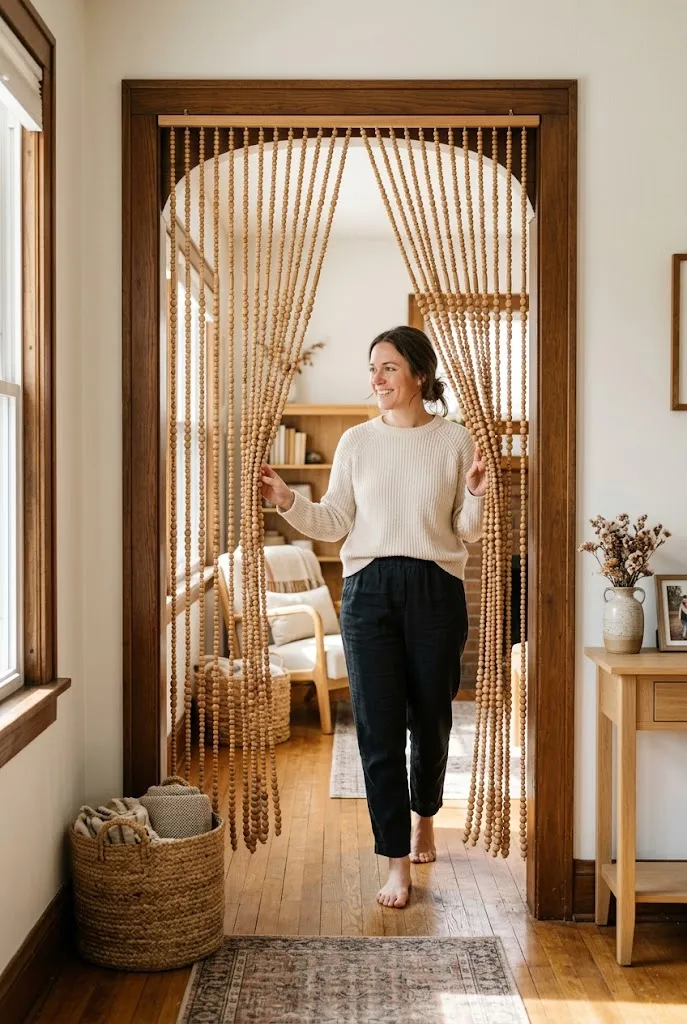
Natural wood beads are an easy starting point for a warm, relaxed curtain. Choose unfinished or lightly stained beads and string them at varying intervals for a handmade look.
This style works particularly well with white walls, rattan furniture, woven baskets, linen curtains, and other natural textures. For a cleaner appearance, keep the strands evenly spaced and use beads of the same size.
Quick Tip: Measure the doorway before cutting your strands. A little extra length can be trimmed after the curtain is hung, but strands that are too short are harder to correct.
2. Boho Macramé and Bead Curtain
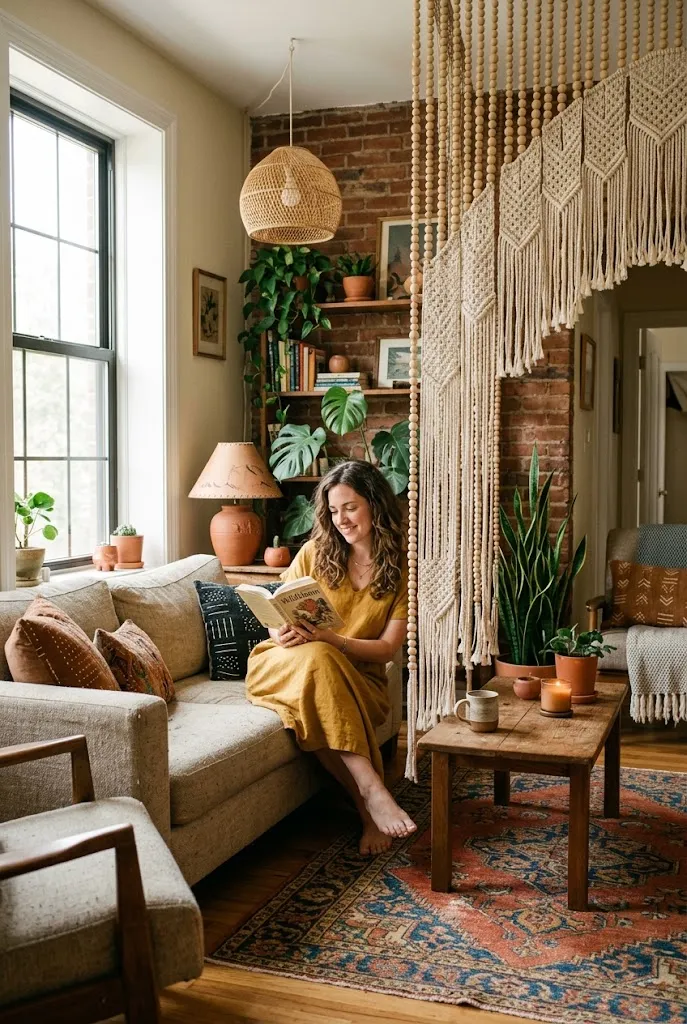
Combine wooden beads with sections of macramé cord for a curtain with more texture and visual interest. The macramé can form small knots, diamond shapes, or simple cascading sections between the beads.
Keep the palette restrained with cream, tan, natural wood, and muted terracotta. This approach pairs naturally with plants, woven lighting, vintage rugs, and relaxed furniture.
3. Minimalist Clear Bead Curtain
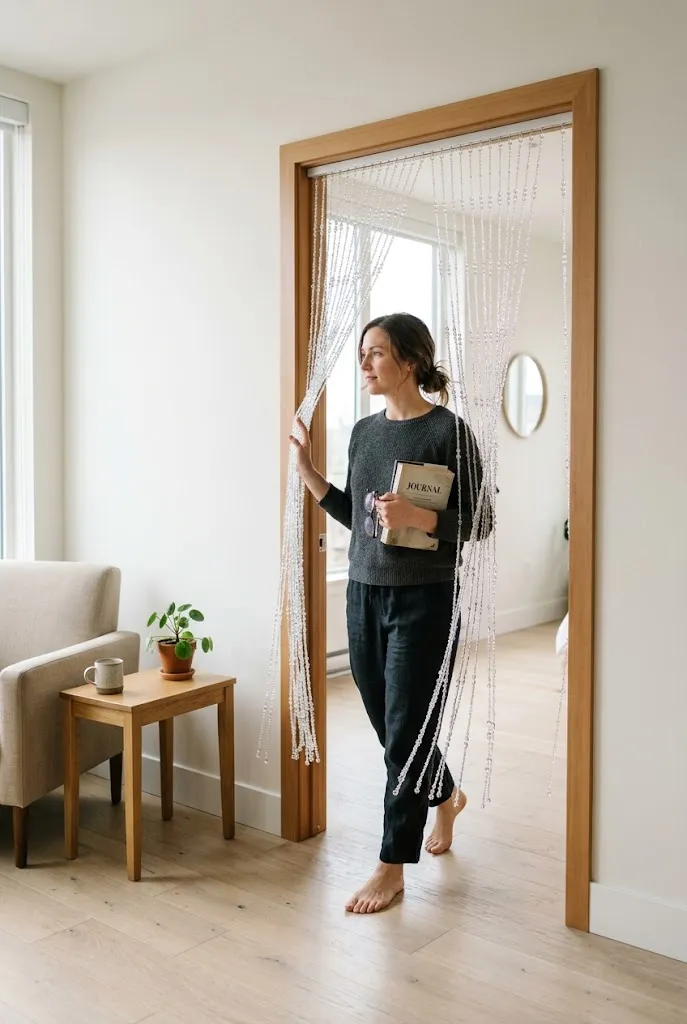
For a more contemporary interpretation, use clear or translucent beads on simple strands. The nearly transparent material keeps the doorway visually open while adding subtle movement.
This is particularly useful between a bedroom and dressing area or between a hallway and living space where you want separation without creating a heavy visual barrier.
4. Colorful Rainbow Bead Curtain
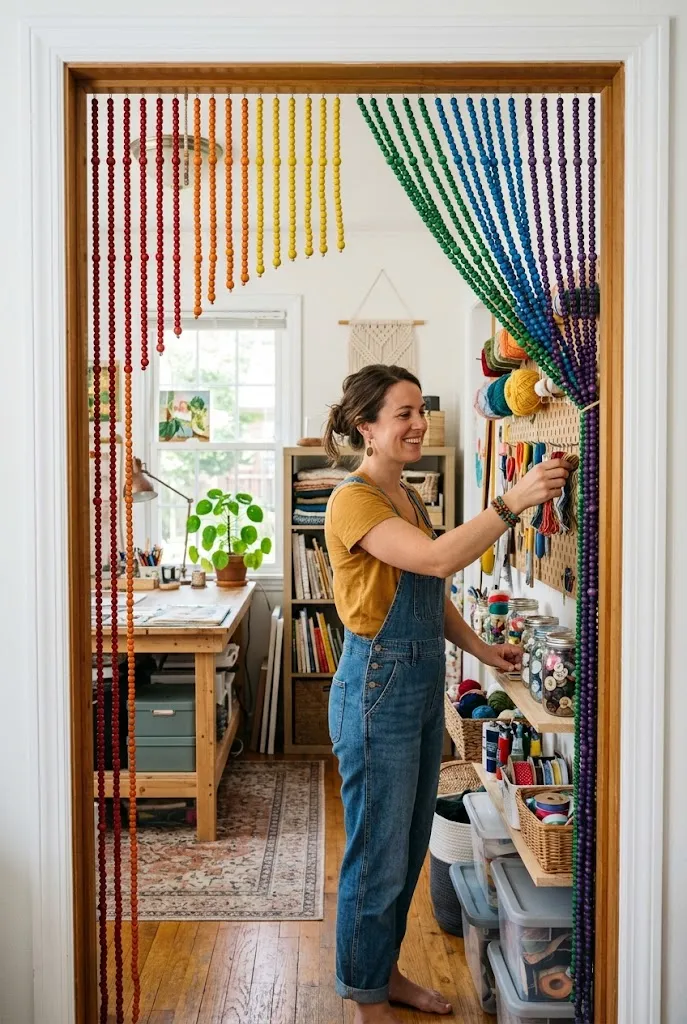
Bring personality to a playroom, creative studio, or cheerful bedroom with beads arranged in rainbow-inspired color groups.
Rather than mixing every color randomly, organize the strands so the palette has a clear visual rhythm. Alternating warm and cool colors can also create a more sophisticated result.
5. Black and Natural Wood Beads
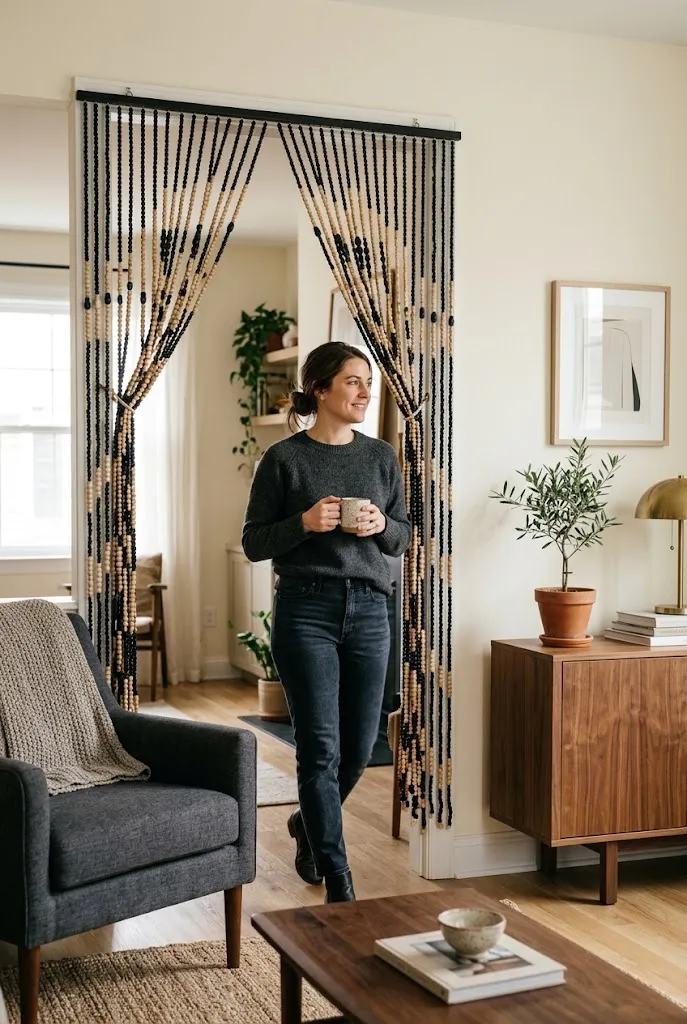
Black beads can give a handmade curtain a more graphic, modern appearance. Pair them with natural wood beads rather than using black throughout the entire design.
The contrast works especially well with white, cream, walnut, charcoal, and muted green interiors. Keep the rest of the doorway relatively simple so the bead pattern remains the focal point.
Do: Use a consistent pattern of black and natural beads.
Don’t: Add too many competing colors around the doorway.
6. Vintage-Inspired Glass Beads
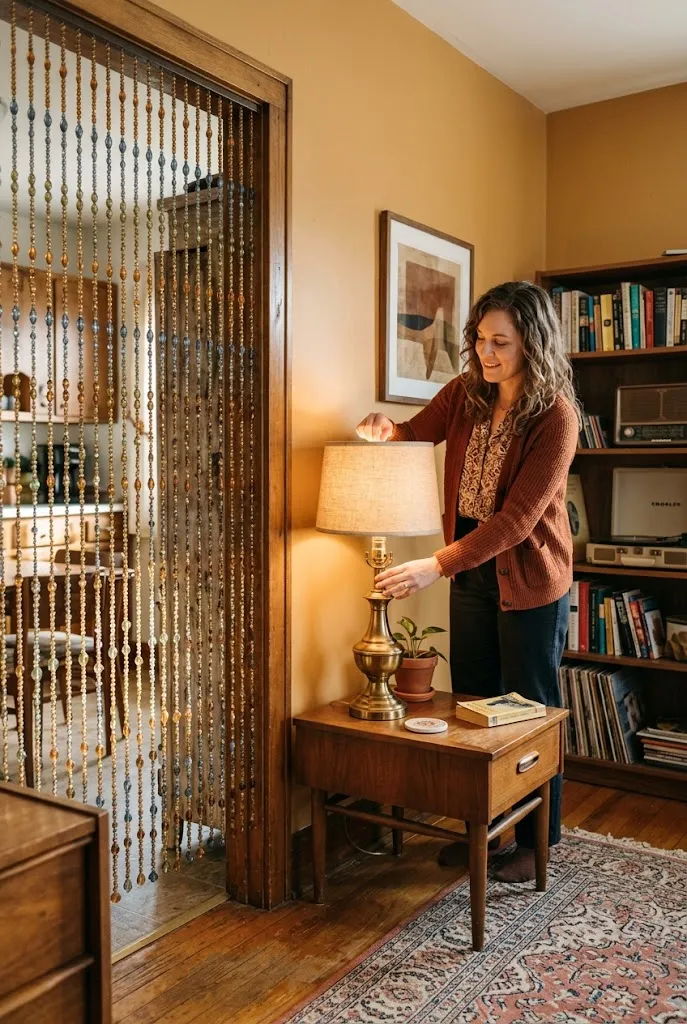
For a retro atmosphere, look for faceted or translucent beads that catch and scatter light. Jewel tones such as amber, smoky blue, olive, or rose can reinforce a vintage palette.
This style works particularly well with mid-century furniture, brass accents, patterned rugs, and warm lamps.
7. White-on-White Beaded Curtain
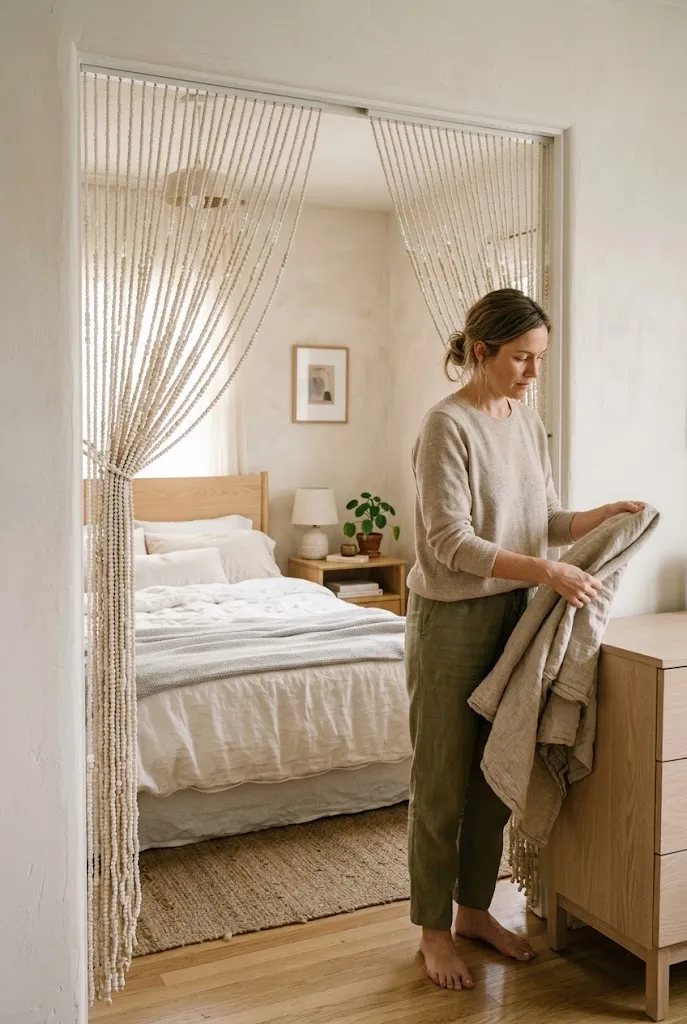
A white beaded curtain can add texture without introducing a strong color contrast. Use white, ivory, or cream beads against a similarly pale wall for a soft layered effect.
This approach is especially useful when the room already contains several textures but you don’t want another bold pattern.
8. Bamboo Bead Curtain
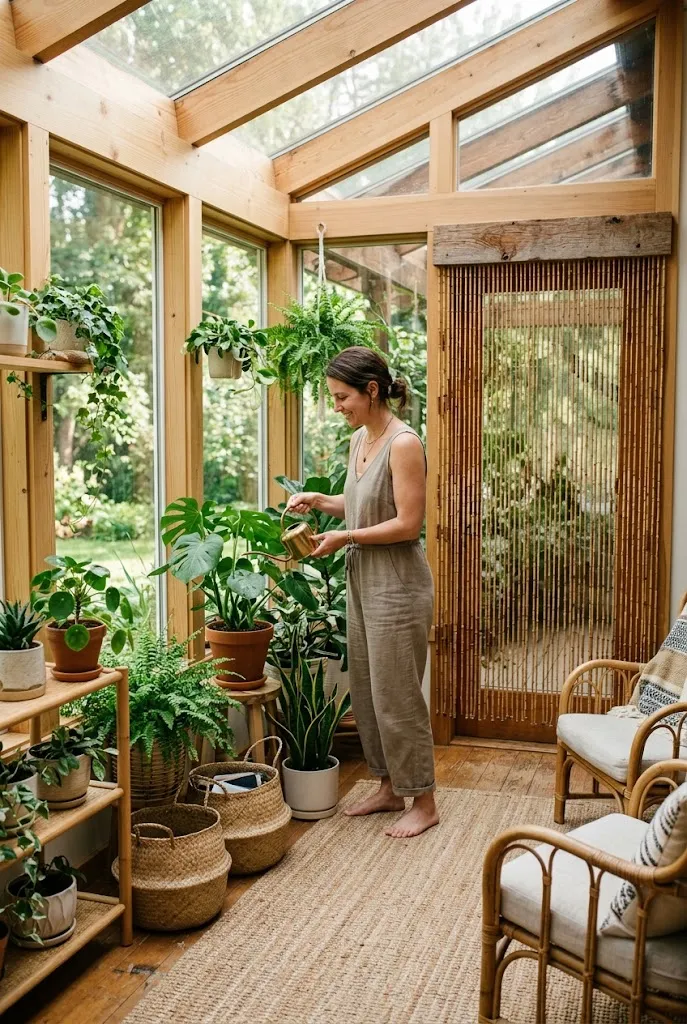
Bamboo beads create an earthy look that fits naturally with coastal, tropical, bohemian, and relaxed interiors.
Choose a curtain with slightly varied natural tones rather than perfectly uniform beads if you want a handcrafted appearance. Pair it with cane, rattan, jute, and leafy plants.
9. Geometric Bead Pattern
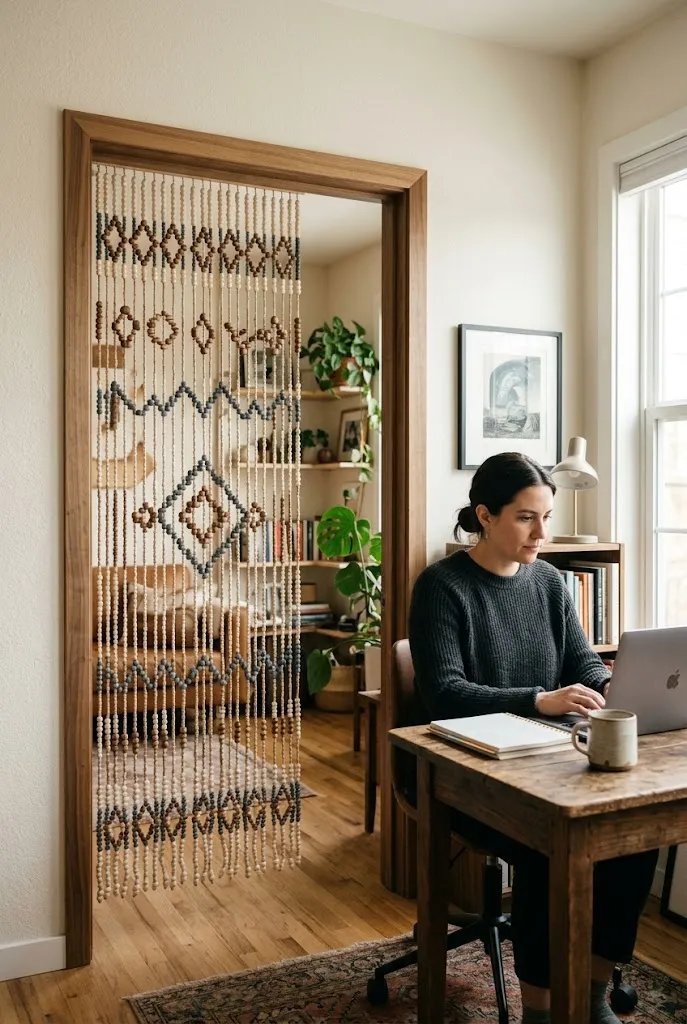
Instead of keeping every strand identical, create a repeating geometric pattern using different bead sizes or colors.
Simple diamonds, zigzags, stripes, and stepped patterns can make the curtain feel more designed. Sketch the pattern on paper before stringing the beads so you can see how it will repeat across the doorway.
10. Ombre Beaded Curtain
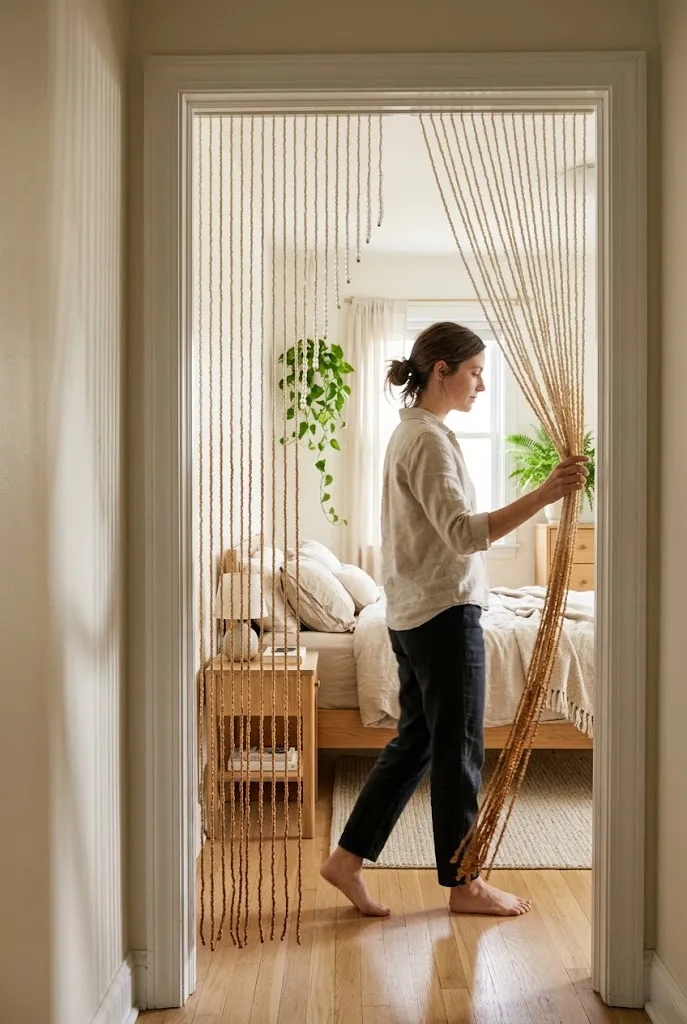
An ombre design gradually shifts from one shade to another. Try cream to tan, pale blue to deep blue, dusty pink to burgundy, or sage to forest green.
The gradual color change makes the curtain feel more cohesive than a collection of unrelated bright colors.
Quick Tip: Lay the strands out on the floor before attaching them so you can adjust the color progression.
11. Beaded Curtain With Shell Accents
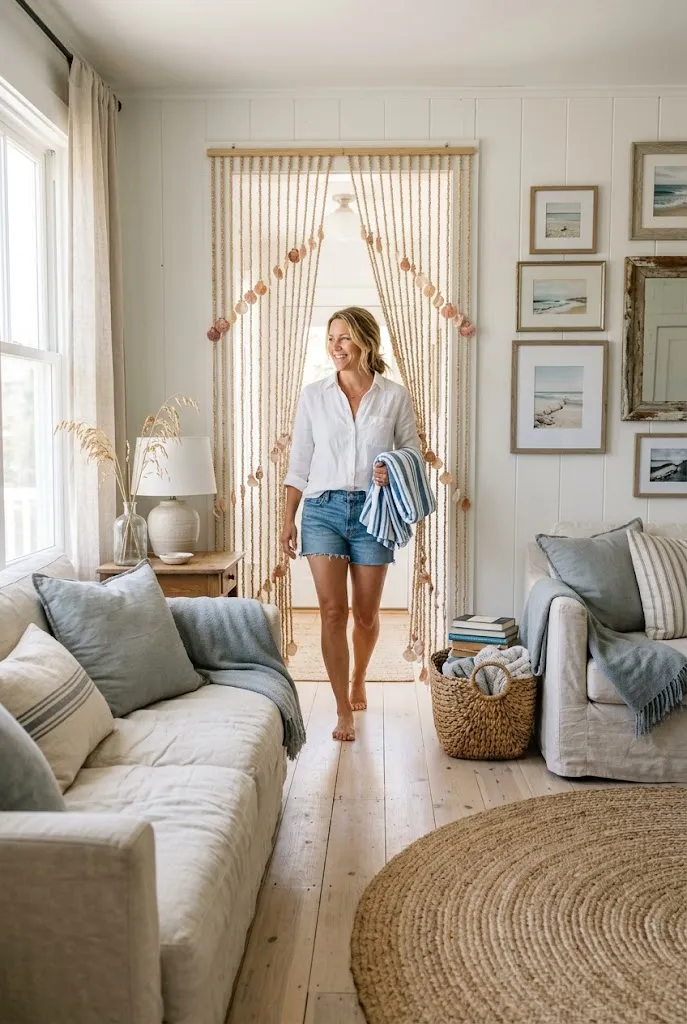
Add small shell shapes or shell-like natural accents to selected strands for a relaxed coastal interpretation.
The key is restraint. A few shell details can suggest a seaside atmosphere without making the room feel themed. Combine the curtain with pale wood, linen, blue-gray accents, and woven textures.
12. Earth-Tone Beaded Curtain
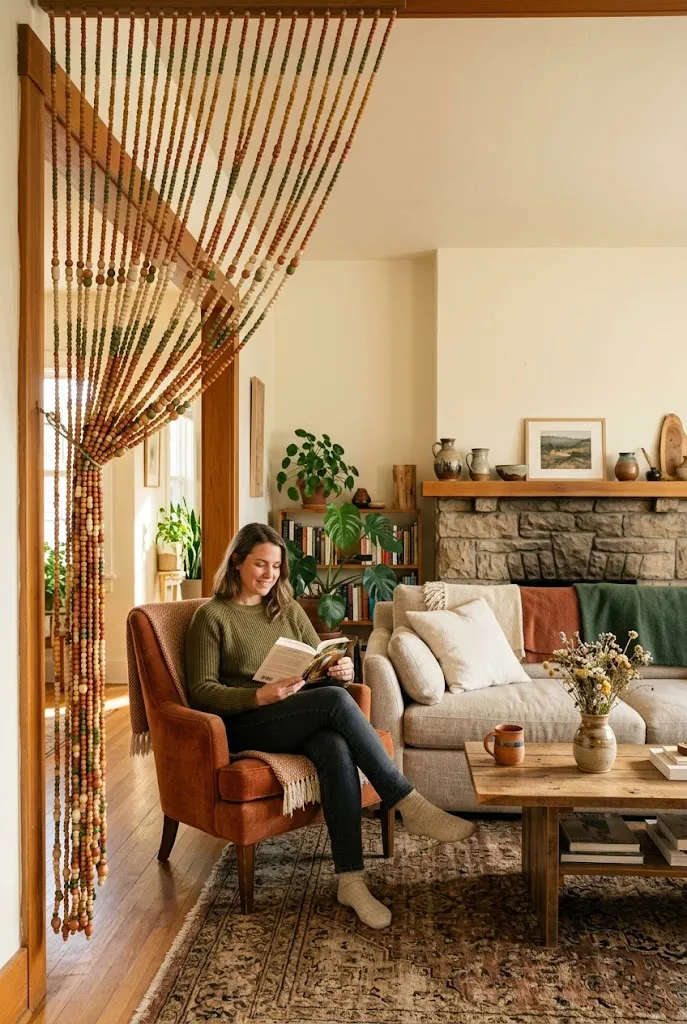
Use terracotta, rust, olive, cream, ochre, and brown beads for a warm earth-tone curtain.
This palette is versatile enough for southwestern-inspired rooms, contemporary homes, boho spaces, and fall decorating. Repeat one or two colors elsewhere in the room to make the curtain feel connected to the overall design.
13. Beaded Curtain for a Closet Opening
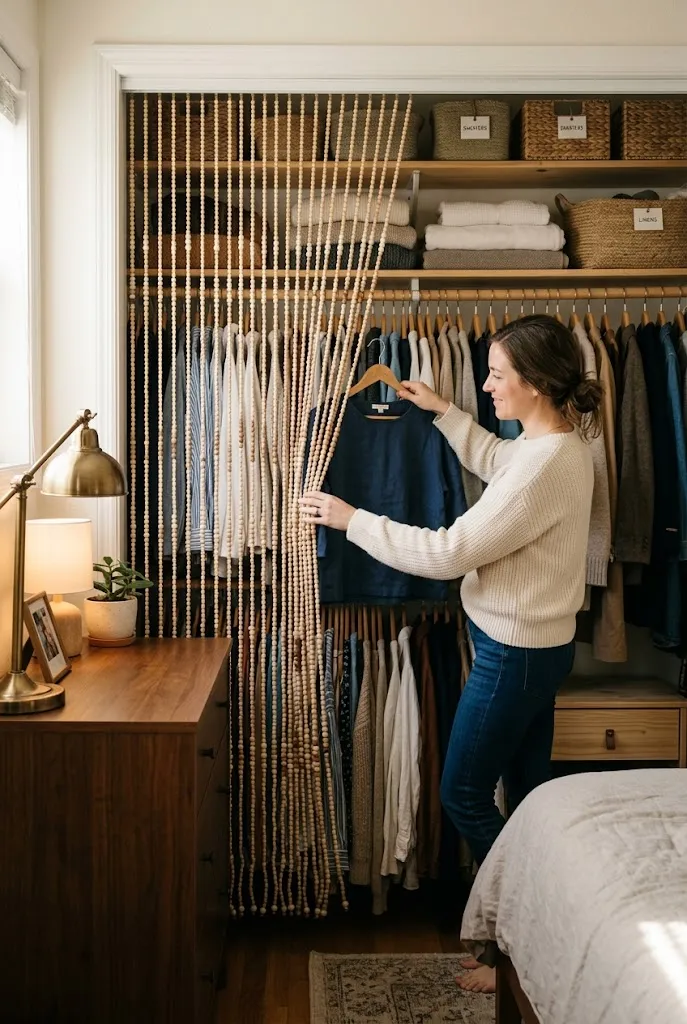
A beaded curtain can replace a traditional closet door when you want easier access and a lighter visual effect.
Choose strands that stop just above the floor if the closet is used frequently. For a more decorative dressing area, a longer curtain can create a softer transition while still keeping the opening visually distinct.
14. Beaded Curtain Room Divider
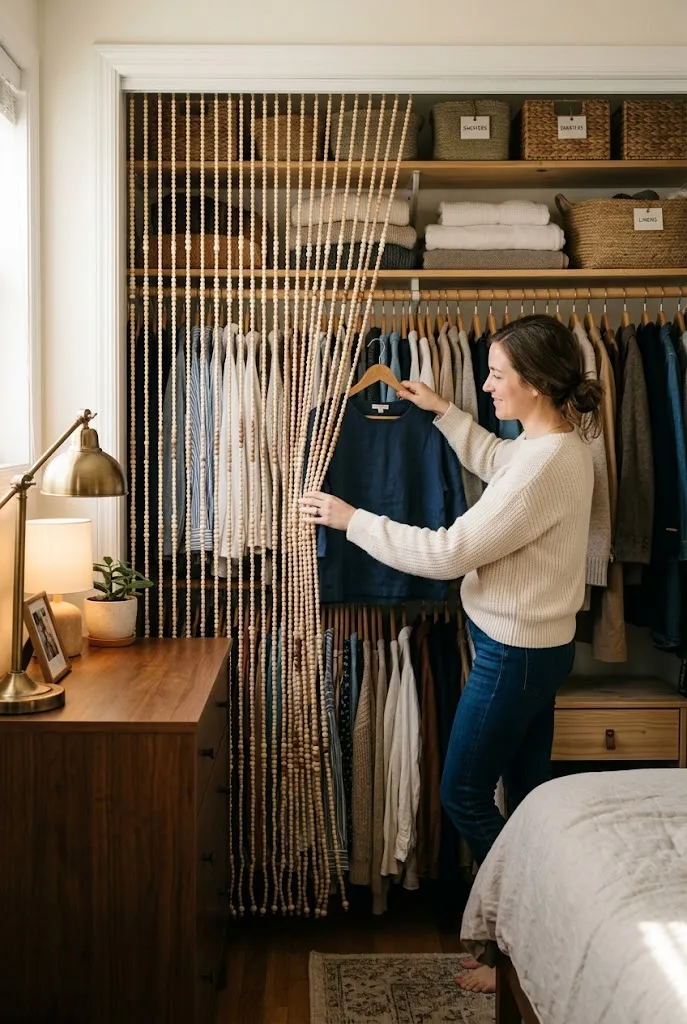
Use several strands side by side to create a decorative room divider rather than covering a standard doorway.
This works especially well in studio apartments where a sleeping or work area needs a little visual separation. Leave enough room for comfortable movement and avoid creating a divider that makes the space feel cramped.
15. Pastel Bead Curtain
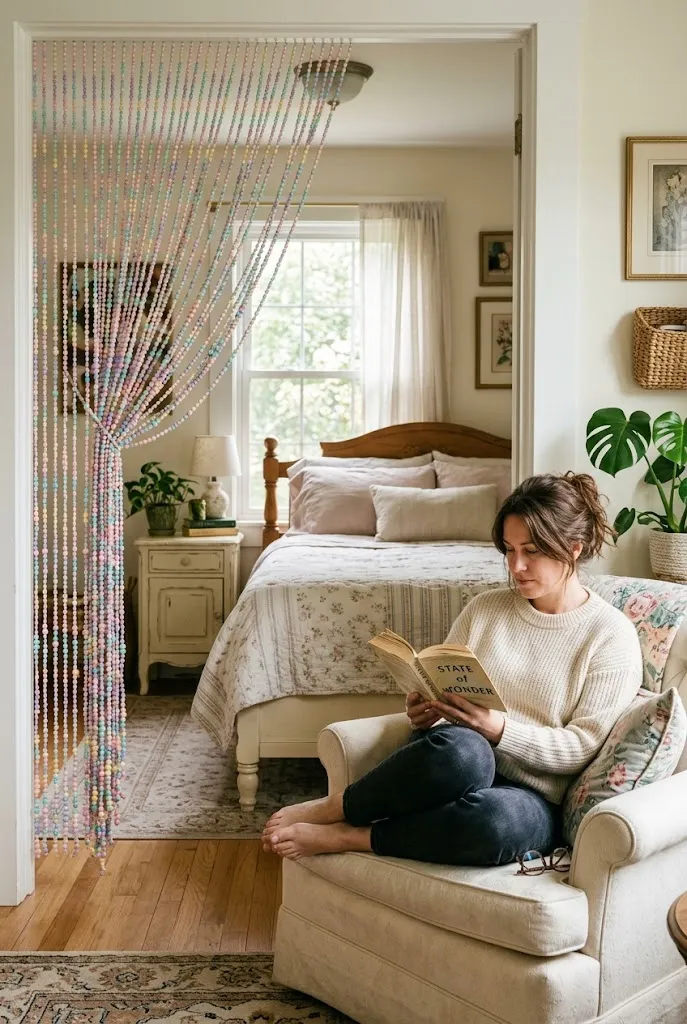
Soft pink, lavender, pale blue, butter yellow, and mint can create a gentle pastel curtain for a creative room, bedroom, or playful reading nook.
Keep the surrounding furniture relatively neutral so the pastel colors remain intentional rather than visually overwhelming.
16. Monochrome Gray Beads

For a sophisticated contemporary look, stay within a narrow gray palette. Mix charcoal, medium gray, silver-gray, and frosted beads for subtle variation.
This approach works particularly well with black metal, concrete-inspired finishes, white walls, and streamlined furniture.
Editor’s Note: A monochrome curtain does not have to be visually flat. Differences in bead finish and transparency can provide enough contrast without adding another color.
17. Beaded Curtain With Wooden Shapes
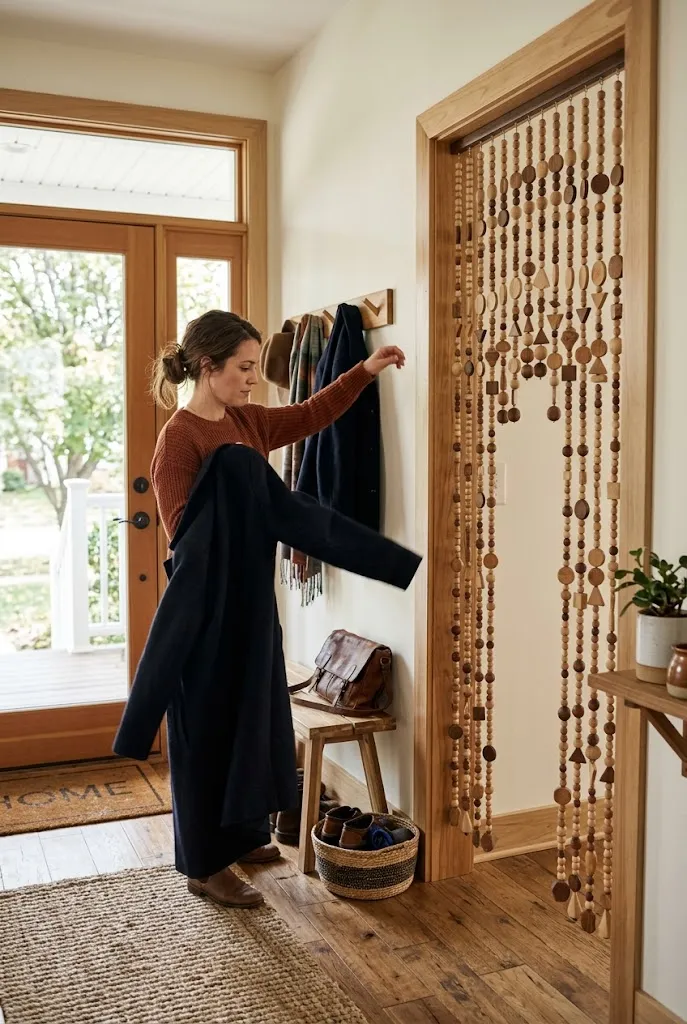
Instead of using only round beads, mix in wooden discs, cubes, arches, or other simple shapes.
Keep the shapes within the same wood family for a cohesive handmade appearance. This technique is especially effective when the room already features sculptural furniture or simple geometric accessories.
18. Beaded Curtain With Metallic Accents
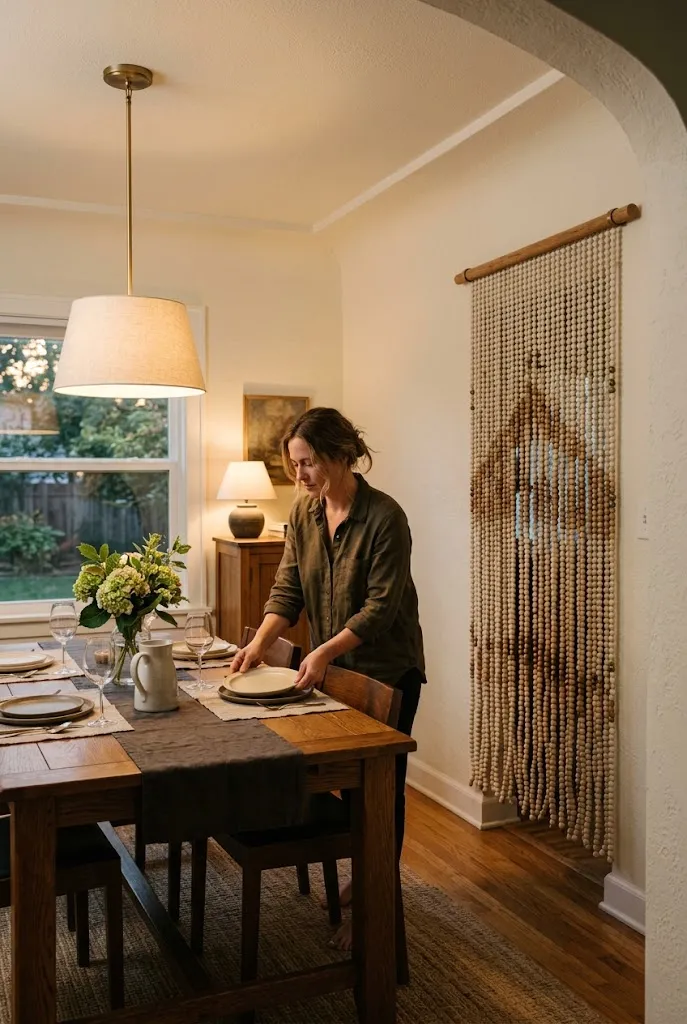
A few brass, bronze, or copper-toned beads can give a handmade curtain a polished accent without making the entire project look overly decorative.
Use metallic elements sparingly and repeat the finish elsewhere through a lamp, cabinet hardware, frame, or small accessory.
19. Long Floor-Length Beaded Curtain
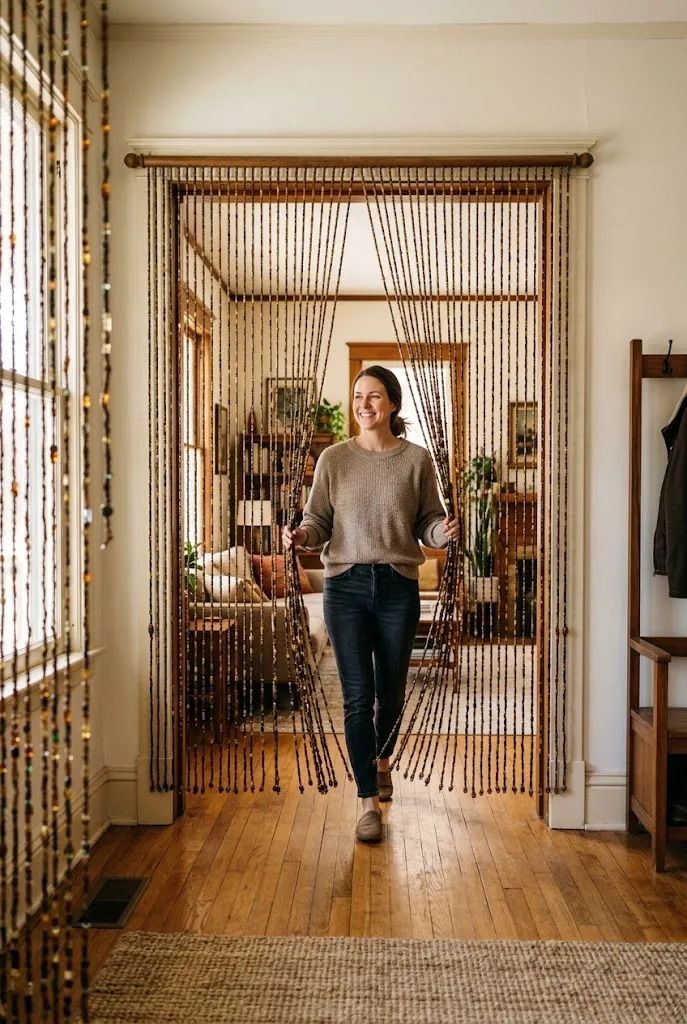
A floor-length curtain creates a more dramatic effect than a short doorway treatment. It works particularly well when the curtain is intended to become a major decorative feature.
Before using a very long design, consider whether the strands could become a tripping hazard or interfere with pets and everyday traffic. A slightly shorter length can provide a similar visual effect with easier maintenance.
20. Short Beaded Curtain for a Half Doorway
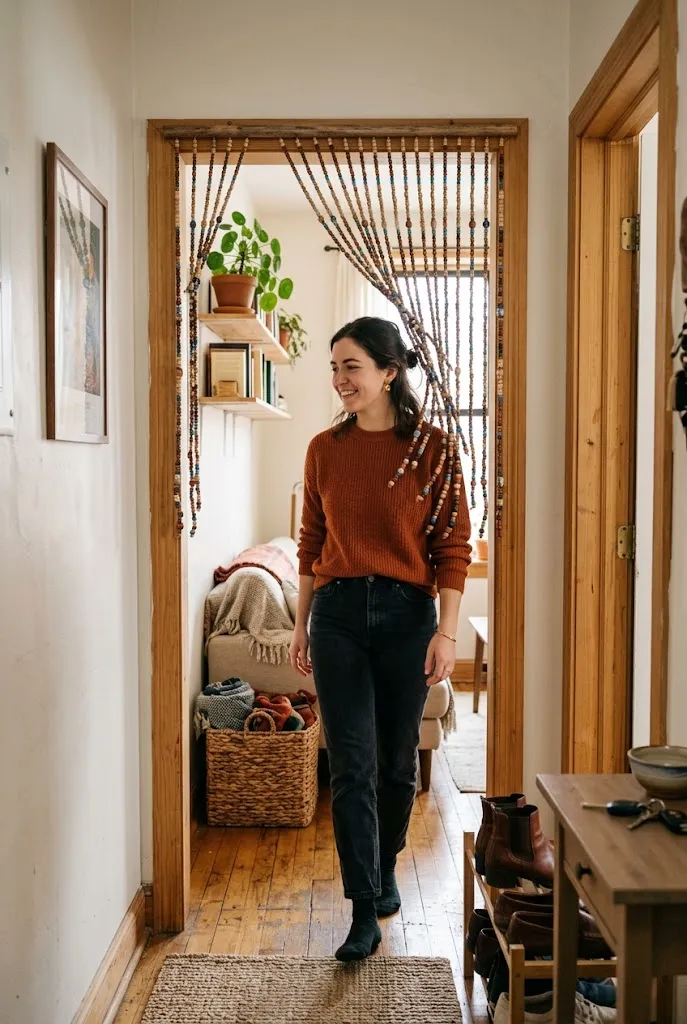
A shorter curtain can add texture without completely covering the opening. This can be useful in compact spaces or decorative openings where you want the architecture to remain visible.
Choose the length based on the actual use of the doorway rather than copying a standard curtain proportion.
21. Dark Wood Bead Curtain
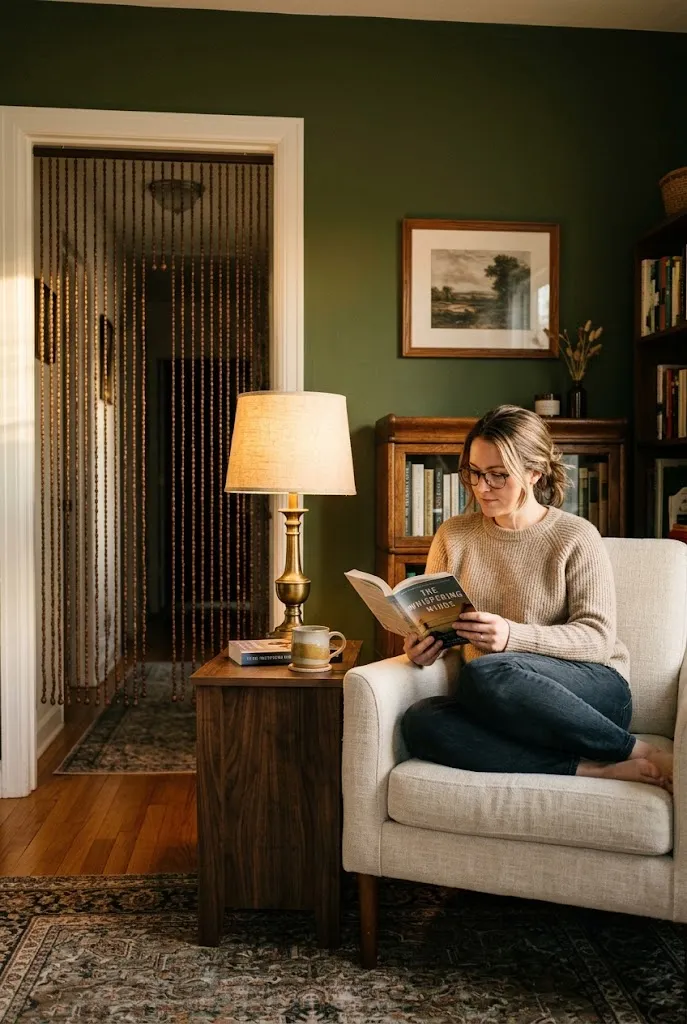
Dark walnut or espresso-colored beads can make the project feel richer and more grounded.
This version works well with cream upholstery, aged brass, dark wood furniture, and moody paint colors. If the room is small, use the darker curtain selectively so it doesn’t visually close off the space.
22. Color-Blocked Bead Curtain
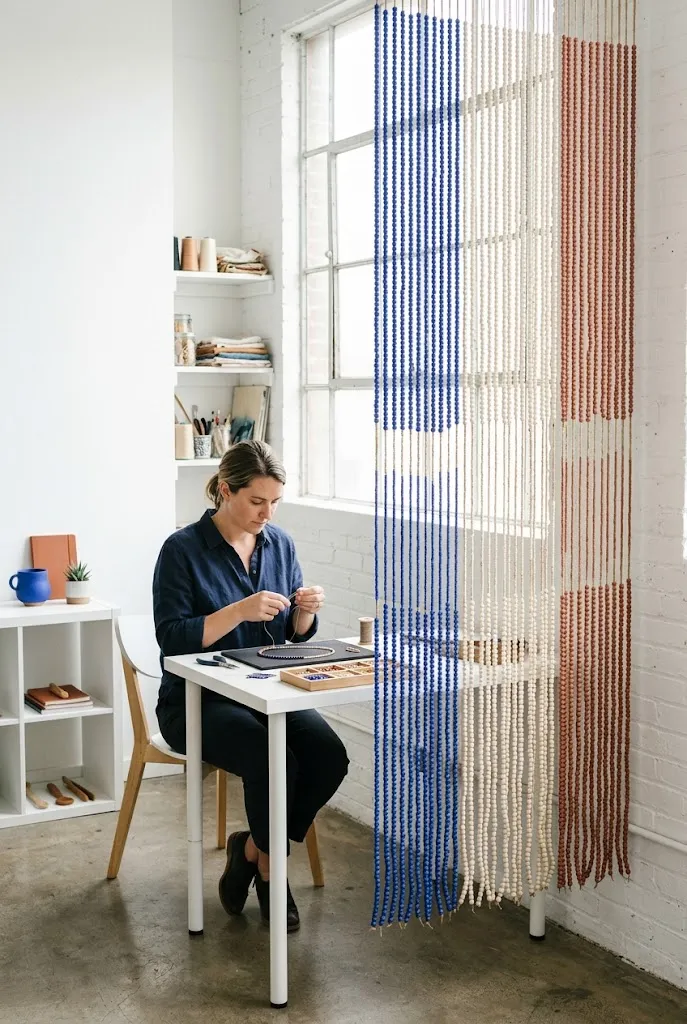
Create a bold graphic pattern by dividing the curtain into clear color blocks. For example, use alternating sections of cobalt blue and ivory or rust and blush.
Color blocking is especially effective in otherwise simple rooms because the curtain can act as the main decorative feature.
23. Beaded Curtain With Tassel Details
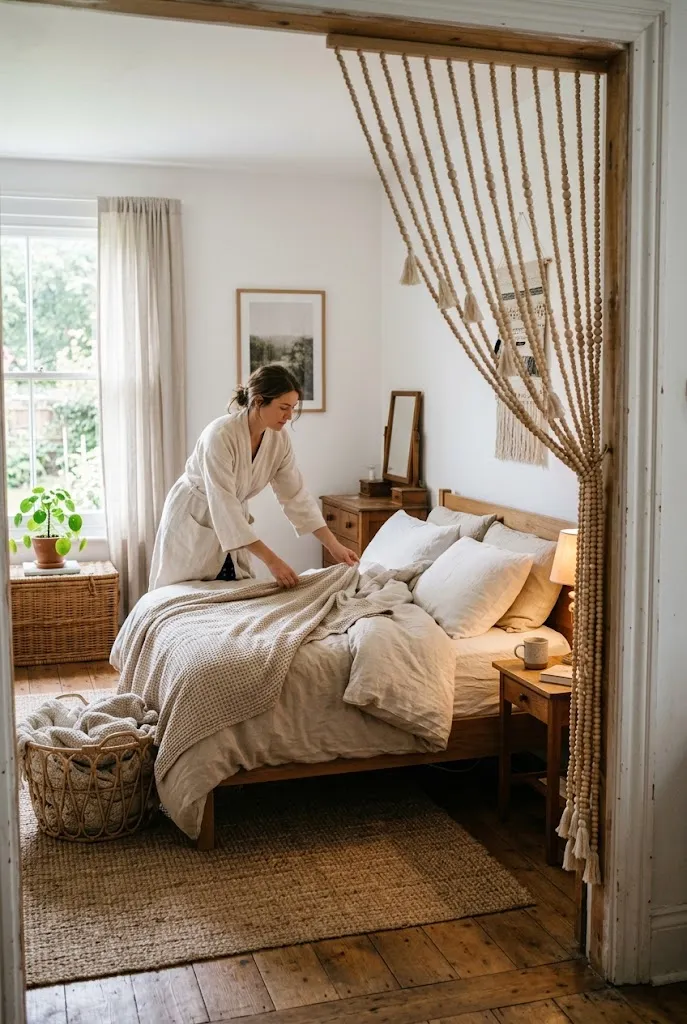
Add small fabric tassels between selected strands for a softer, more textile-like appearance.
Natural cotton, linen, or wool-look tassels work nicely with wooden beads. Keep the tassels evenly distributed so the curtain feels designed rather than cluttered.
Common Mistake: Adding too many different decorative elements.
Better Approach: Choose one dominant bead material and let the tassels provide the secondary texture.
24. Scandinavian-Inspired Beaded Curtain
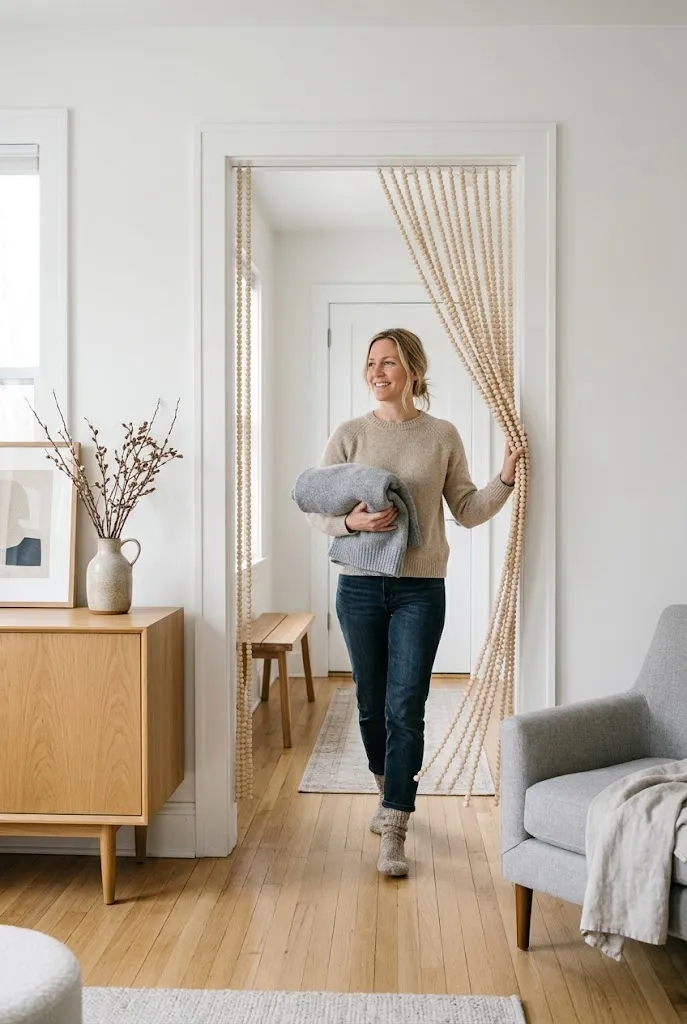
For a Scandinavian-inspired room, keep the curtain simple with pale wood beads and minimal decoration.
The surrounding space can use white walls, light timber, soft gray textiles, and functional furniture. The goal is visual warmth without excessive ornament.
25. Eclectic Beaded Curtain
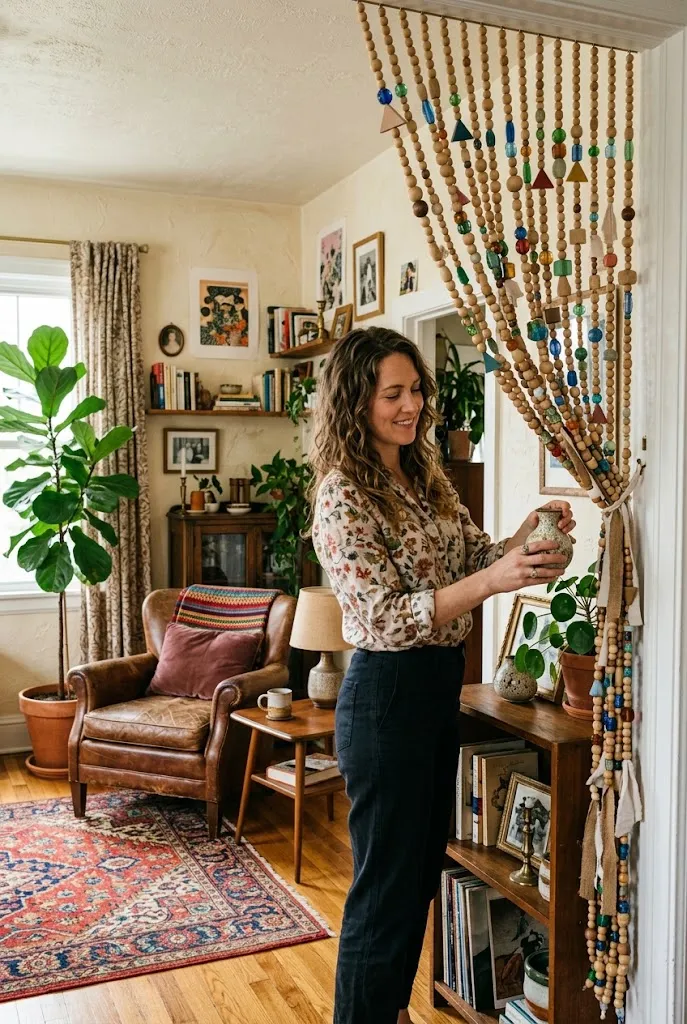
An eclectic curtain gives you permission to mix materials, colors, and bead shapes—but the combination still needs a visual connection.
Repeat at least one color or material from the room in the curtain. That small connection can make a collection of unusual beads feel deliberate.
26. Beaded Curtain in a Kitchen Entrance
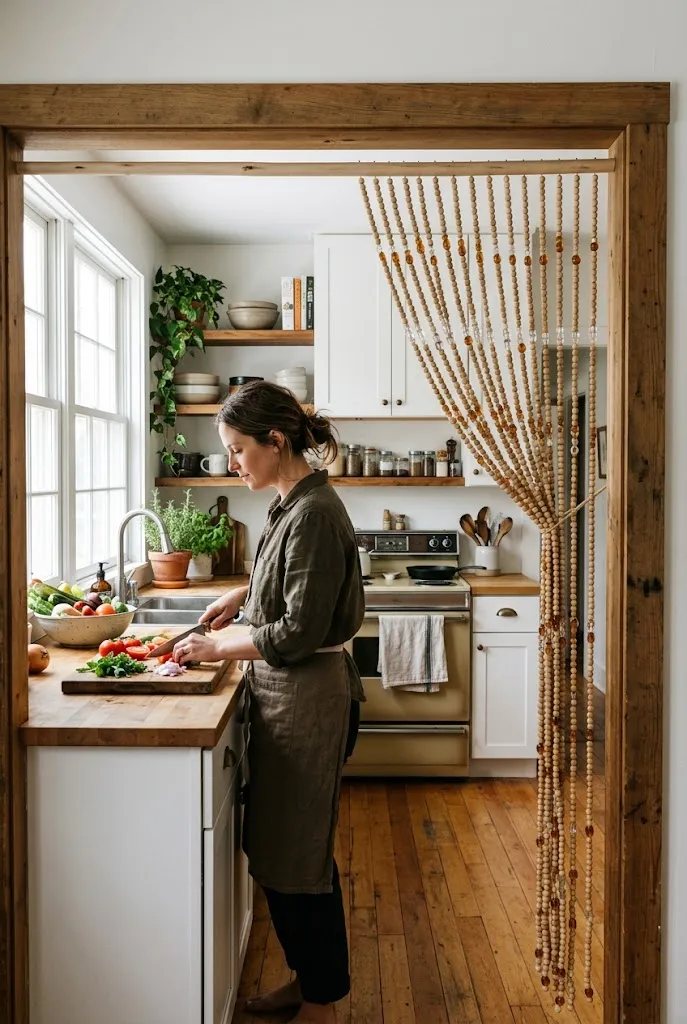
A decorative curtain can soften an opening between a kitchen and another living area. Choose materials that are easy to clean, especially if the doorway is close to cooking surfaces.
Wood and wipeable acrylic-style beads are generally more practical for this location than highly delicate materials.
27. Beaded Curtain With a Painted Header
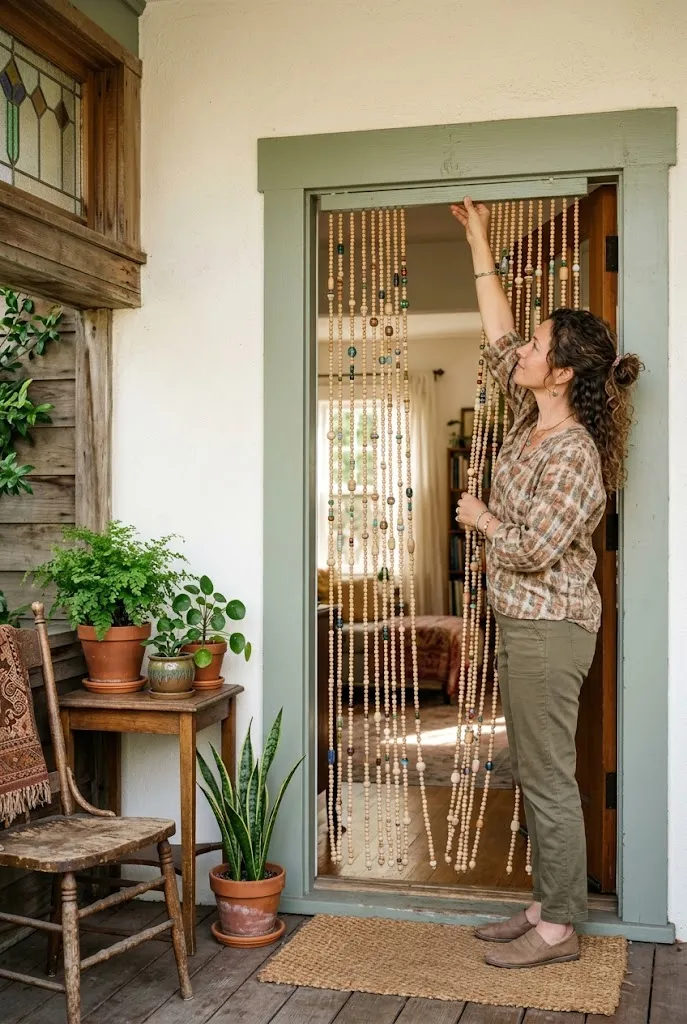
Give the curtain a more finished appearance by mounting the strands to a painted wooden header that coordinates with the room.
A black header can reinforce modern decor, while warm white, sage, or terracotta can make the installation feel more integrated.
28. Beaded Curtain for a Reading Nook
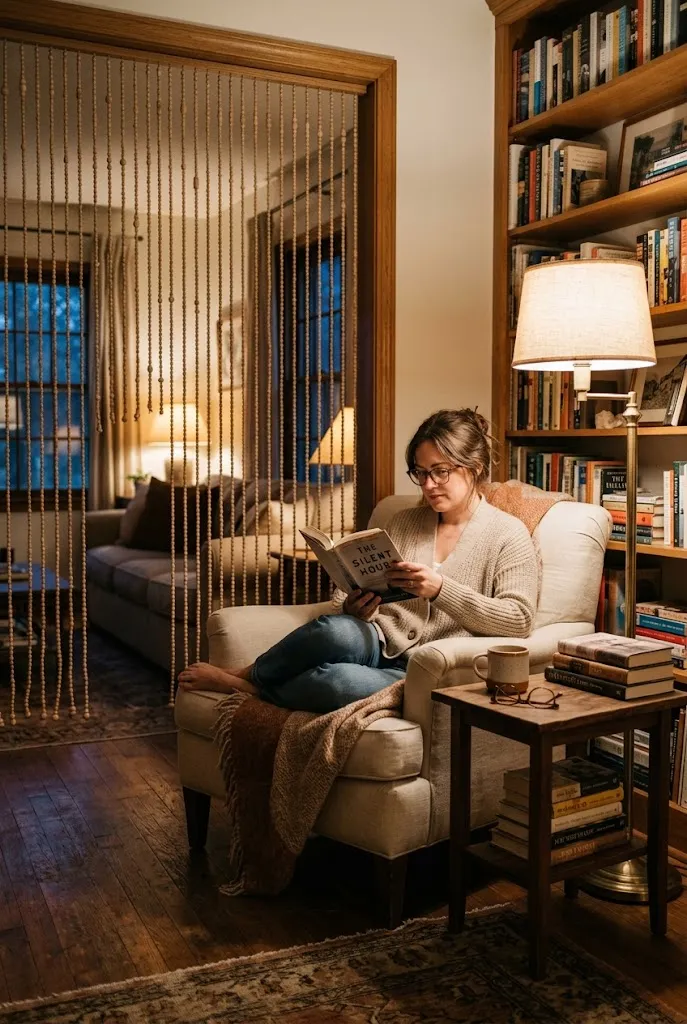
Use a curtain to give a reading nook a little separation from the rest of the room without enclosing it completely.
A warm neutral palette works particularly well here. Add a comfortable chair, small table, floor lamp, and a few books so the area has a clear purpose.
29. Modern Organic Beaded Curtain
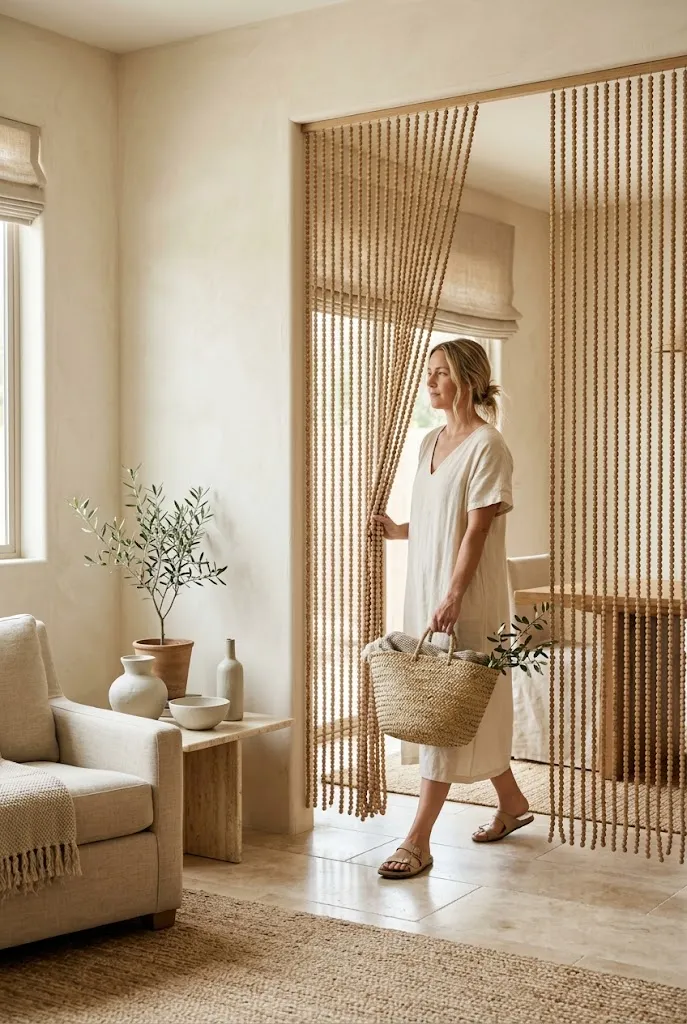
Combine contemporary simplicity with natural materials. Think pale oak beads, cream walls, linen, stone-inspired surfaces, and a few sculptural accessories.
The result feels modern without becoming cold, making it a useful approach for homes that sit between minimalist and organic styles.
30. Personalized DIY Beaded Curtain
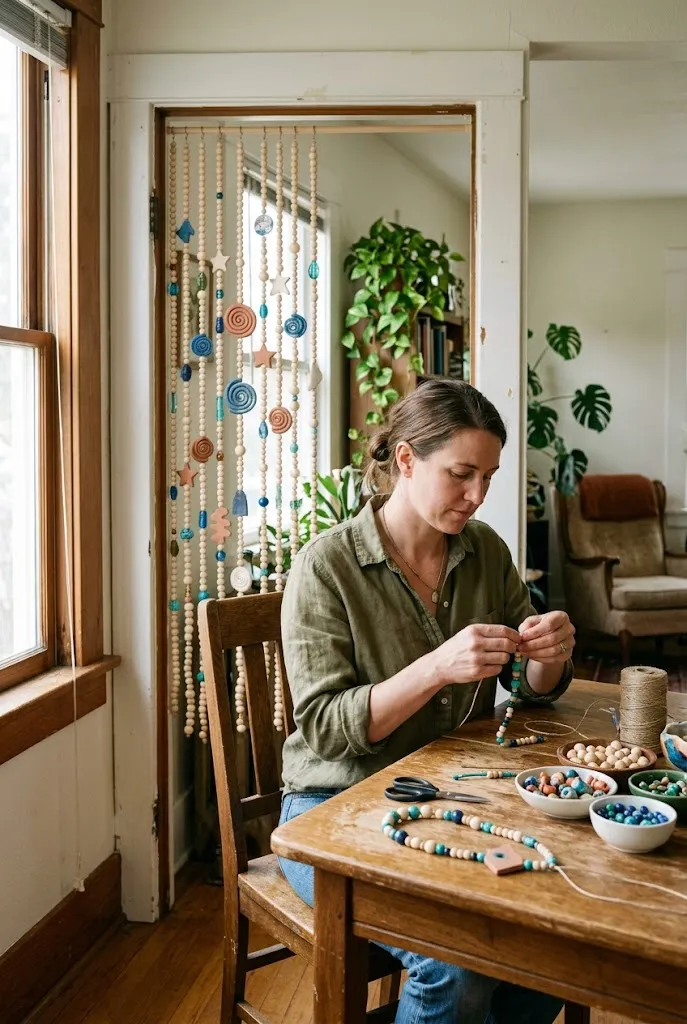
The most flexible option is to design a curtain around your own room. Choose a base material, select two or three colors, decide on a repeating pattern, and add one personal detail such as initials, favorite shapes, vintage beads, or handmade wooden pieces.
1. Start with the room
Identify the colors and materials already present around the doorway.
2. Build a small sample
String a few strands before buying or assembling the entire curtain. This lets you judge the scale and color combination in the actual space.
3. Repeat the strongest detail
If one bead shape or color looks especially good, use it consistently enough to create visual rhythm.
The best personalized curtain doesn’t necessarily contain the most decorations. A limited palette with one distinctive feature often looks more intentional.
How to Make a DIY Beaded Curtain Look More Finished
The difference between a homemade curtain that looks intentional and one that feels improvised usually comes down to consistency.
A few details make a significant difference:
- Measure the opening first. The width determines how many strands you’ll need, while the height determines how much cord or string to prepare.
- Test the pattern. Make two or three sample strands before committing to the entire curtain.
- Keep spacing consistent. Even an eclectic design benefits from some repetition.
- Match the hardware to the room. A simple wood header may suit a casual space, while painted or metal hardware can work better in a contemporary interior.
- Think about movement. A curtain intended for a busy doorway should be easy to pass through and shouldn’t create a snagging or tripping problem.
- Consider cleaning. Dust can collect on individual beads and cords, particularly in kitchens and high-traffic areas.
If you’re working in a rental, a removable tension-mounted solution may be worth considering where the doorway and hardware allow it. Always make sure the mounting method is appropriate for the opening and weight of the finished curtain.
Choosing the Right Beads for Your Style
The material often determines the overall personality of the project.
| Bead Material | Overall Feel | Good Style Matches |
|---|---|---|
| Natural wood | Warm and relaxed | Boho, organic, Scandinavian |
| Bamboo | Earthy and casual | Coastal, tropical, boho |
| Clear beads | Light and contemporary | Modern, minimalist |
| Faceted translucent beads | Decorative and retro | Vintage, eclectic |
| Acrylic-style colored beads | Playful and graphic | Creative, colorful, contemporary |
| Wood shapes | Handmade and sculptural | Modern organic, eclectic |
| Mixed materials | Collected and expressive | Eclectic, bohemian |
The room doesn’t have to match the curtain perfectly. In fact, a little contrast can make the doorway more interesting. What matters most is that at least one or two colors, finishes, or materials connect the curtain to the surrounding space.
A Few Practical Things to Consider Before You Start
A beaded curtain is decorative, but it’s still part of a working doorway. Think about how the opening is used throughout the day.
For busy passageways, choose durable materials and a manageable length. If children or pets regularly move through the space, avoid arrangements that could become easily tangled or create a tripping concern. In kitchens, select materials that are practical to wipe clean.
For a purely decorative opening, you have more freedom to experiment with longer strands, delicate beads, or elaborate patterns.
The easiest place to start is usually a doorway that already has enough visual space around it. That gives the curtain room to become a feature without making the room feel crowded.